If you are in Dublin looking for drug or alcohol treatment, start with the HSE Drugs and Alcohol Helpline on freephone 1800 459 459. It is confidential, it costs nothing, and the staff work from a database of more than 400 services across the country. This page explains what Irish services offer, where the gaps are, and the narrow circumstances in which residential treatment abroad is worth considering.
The Orchid Recovery is in Chiang Mai, Thailand. We have no facility in Dublin or anywhere in Ireland.
If you are in immediate danger, or thinking about ending your life, do not use this page. Call 112 or 999 now. If someone has taken an overdose, call the emergency services first and stay with them.
For crisis support: the Samaritans are available free on 116 123, twenty four hours a day. Pieta, for suicide and self-harm, is on freephone 1800 247 247. You can also text HELLO to 50808 for free text support.
One thing to clear up before anything else
If you have been reading rehab websites, you will have found a great many pages written for the United Kingdom. Some of them mention Northern Ireland and some do not distinguish at all.
The Republic of Ireland is a different jurisdiction with a different health system. Services here are run by the HSE, not the NHS. Funding routes, referral pathways and eligibility are not the same, and a page telling you to speak to your GP about an NHS pathway is describing something that does not exist where you live.
We have a separate page covering alcohol rehab in Northern Ireland. If you are in Dublin, that page is not about your system either.
The free route in Ireland
HSE Drugs and Alcohol Helpline: freephone 1800 459 459, Monday to Friday, 9.30am to 5.30pm. There is also an email service at helpline@hse.ie. It is confidential.
What that call actually gets you is triage. The staff hold a database of more than 400 services nationwide and their job is to point you at the ones relevant to your situation and your part of Dublin, rather than to treat you themselves.
Two useful things to know about access:
You do not always need a referral. It is often possible to contact a drug and alcohol service directly. Going through your GP is the other route, and a GP can refer you into services, but the absence of a GP appointment is not a reason to do nothing this week.
Drugs.ie is the HSE’s own information service, not a private directory. It is a reasonable place to read about what a given type of service involves before you ring anyone.
If what comes back is a wait you do not think you can safely sit through, the private route has one structural difference worth naming: admission dates are arranged directly rather than allocated after an assessment for funding. Four weeks with us in Chiang Mai starts at USD 10,900, aftercare included, and you can have that figure now rather than after a sales call. Phone or WhatsApp +66 985 245 093.
Where the Irish system is thin, honestly
Dublin has a substantial network of community and outpatient addiction services. Residential treatment is where the pressure is, and that is true across the country rather than being a Dublin problem specifically. Publicly funded residential places are limited and access runs through assessment rather than request.
This is the actual reason a meaningful number of Irish people look abroad, and it is a more honest reason than the one rehab marketing usually gives. It is not that Irish services are bad. It is that the specific thing you may need, a residential bed within a useful timeframe, is the scarcest part of the system.
Before you spend money, put the question directly to the helpline: what residential options exist for someone in my situation, and what is the realistic timeframe? If the answer works, take it. Free treatment you qualify for beats paid treatment every time.
When residential treatment is the right shape of help
Not everyone needs it. Community treatment works, and it has one genuine advantage over going away: you practise recovery in the place you actually live, so nothing has to transfer back afterwards.
Residential becomes the better option when:
- The environment is part of the dependence. If the supply, the routine and the people are all within a few Dublin postcodes, treatment that sends you home each evening is asking a lot.
- Withdrawal needs medical supervision. Alcohol and benzodiazepine withdrawal in particular can be dangerous. That is a clinical fact, not a question of how determined you are.
- Community treatment has been tried and has not held, more than once.
- A mental health condition is driving the use and needs treating at the same time rather than afterwards.
Dublin to Chiang Mai, practically
Dublin Airport has good connectivity to the Gulf hubs, so the routing is straightforward even though there is no direct service: one stop, typically 17 to 21 hours door to door depending on the connection.
Do not book the flight before a clinical assessment. If the view is that withdrawal should be stabilised in Ireland first, a non-refundable long-haul ticket makes that conversation harder than it needs to be.
Check visa requirements yourself with the Thai embassy, based on your own passport and the length of the programme. They change, and no treatment centre’s summary is a substitute for the current rules.
Arrange the return before you go. Coming back to Dublin with nothing lined up is the point at which travelling stops being an advantage. Our aftercare is remote and does not replace a local service. Reconnecting with Irish services through that same helpline is part of a sensible plan, not a sign of failure.
What it costs
Programme fees start at USD 10,900 for four weeks, including two months of aftercare.
We publish the figure. Many centres do not, routing every enquiry to an admissions call instead. A price you cannot see before you telephone is a negotiating position rather than a clinical one.
We are also not the cheapest option in Thailand, and we do not pretend to be. Some centres there charge less and some close to double.
What treatment with us involves
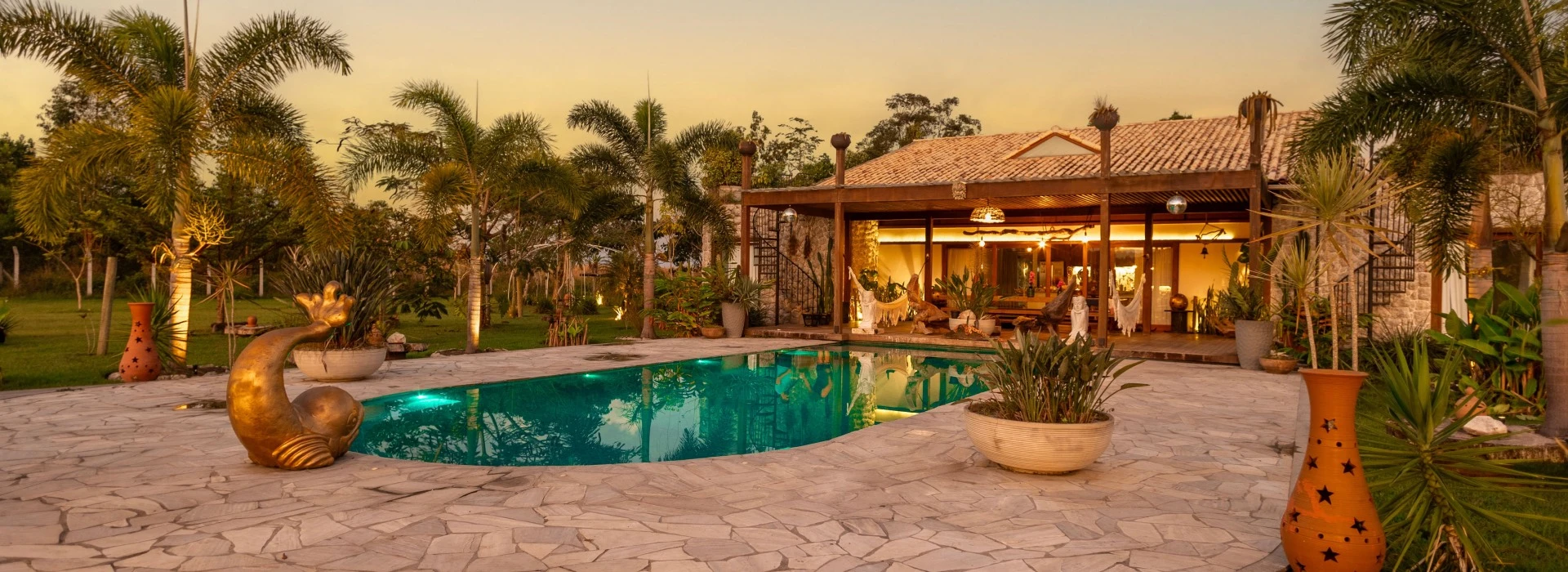
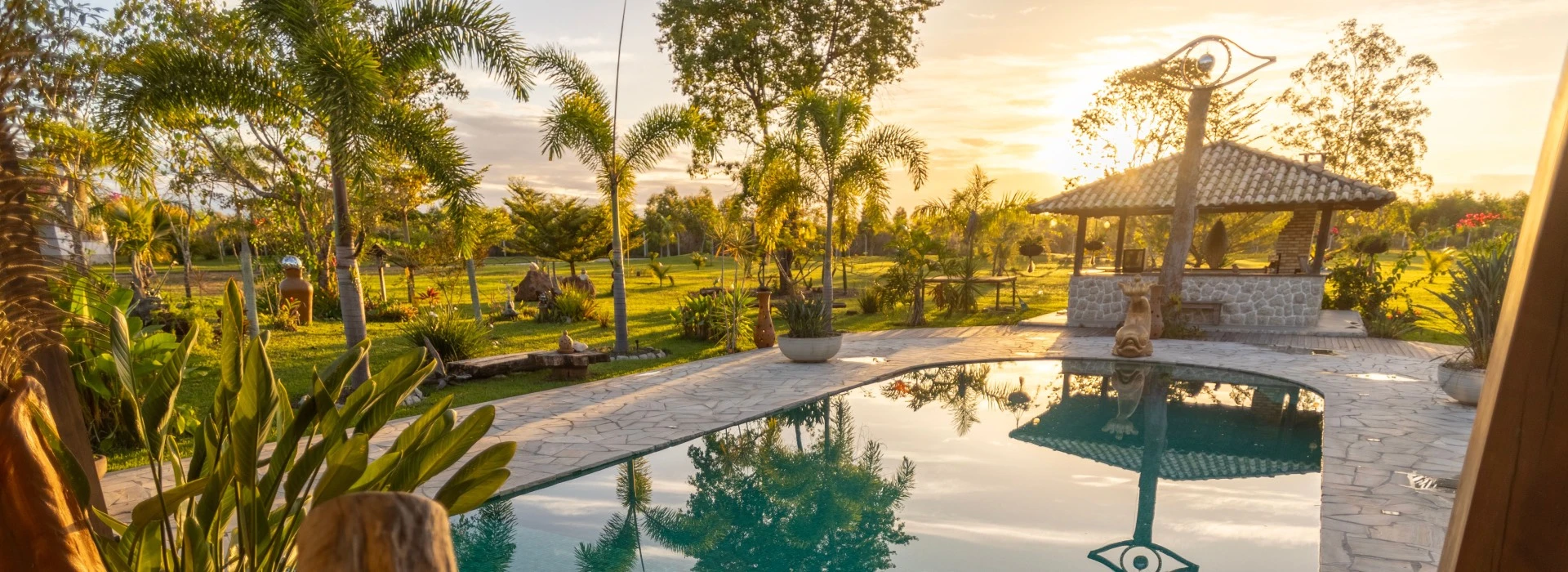
The Orchid Recovery is a private residential addiction and mental health treatment centre in Hang Dong District, Chiang Mai, for international English speaking adults. A single site, capped at 20 clients, with a full-time on-site psychiatrist and an arrangement with Chiang Mai Ram Hospital for anything requiring hospital care.
Programmes run four, eight or twelve weeks, opening with five to seven days of medical detox where the substance requires it, then residential treatment, then aftercare.
Substance-specific pages: alcohol, cocaine, heroin, benzodiazepines, prescription drugs. Where a mental health condition sits alongside the substance use, that is dual diagnosis. The fuller cost picture is here.
If you want to talk it through, we are here. If the Irish route is right for your situation, we will say so.
Sources
- HSE, Drugs and Alcohol Helpline
- Drugs.ie, HSE drug and alcohol information and support
- Citizens Information, Help for drug and alcohol addiction
- National Institute on Drug Abuse, Principles of Drug Addiction Treatment
- Department of Health and Social Care, Clinical guidelines for alcohol treatment: alcohol care in acute hospitals
Frequently Asked Questions
Do you have a rehab centre in Dublin?
No. We have one facility, in Chiang Mai, Thailand, and none in Ireland. This page exists because people in Dublin weigh up treatment abroad, not because we operate locally.
How do I get free drug or alcohol help in Dublin?
Call the HSE Drugs and Alcohol Helpline on freephone 1800 459 459, Monday to Friday between 9.30am and 5.30pm, or email <a href="mailto:helpline@hse.ie" target="_blank">helpline@hse.ie</a>. The service is confidential and works from a database of more than 400 services nationwide.
Do I need a GP referral?
Not always. It is often possible to contact a drug and alcohol service directly. A GP can also refer you, but not having an appointment is not a reason to wait.
Is advice written for the NHS relevant to me?
No. The Republic of Ireland has a different health system, run by the HSE. Pathways, funding and eligibility differ, so a page describing an NHS route is not describing yours. That includes pages written for Northern Ireland.
Can I get residential rehab funded in Ireland?
Publicly funded residential places exist but are limited, and access runs through assessment. Ask the helpline directly what is available for your situation and on what timeframe, before you consider paying for anything.
How long is the flight from Dublin?
There is no direct service to Chiang Mai. Expect one stop through a Gulf hub, roughly 17 to 21 hours door to door. Do not book until after a clinical assessment.
What happens when I come home?
Two months of remote aftercare are included. It supports the transition but does not replace local support, and reconnecting with Irish services is part of the plan rather than a fallback.
What does it cost, and is anything extra?
Fees start at USD 10,900 for four weeks. That covers five to seven days of medical detox where the substance requires it, the residential programme, and two months of aftercare after you fly home, with no separate charge for the aftercare. Flights from Dublin are the main additional cost. Publicly funded treatment in Ireland, where you qualify for it, costs you nothing.
How does admission work from Ireland?
Ring, message or email, and the first conversation is a clinical one rather than a sales call. We ask what you drink or use, how much, when you last had it, what you are prescribed and how any previous withdrawal went, then form a view on whether flying is safe and whether residential care is the right level. Dates come after that, flights after the dates.