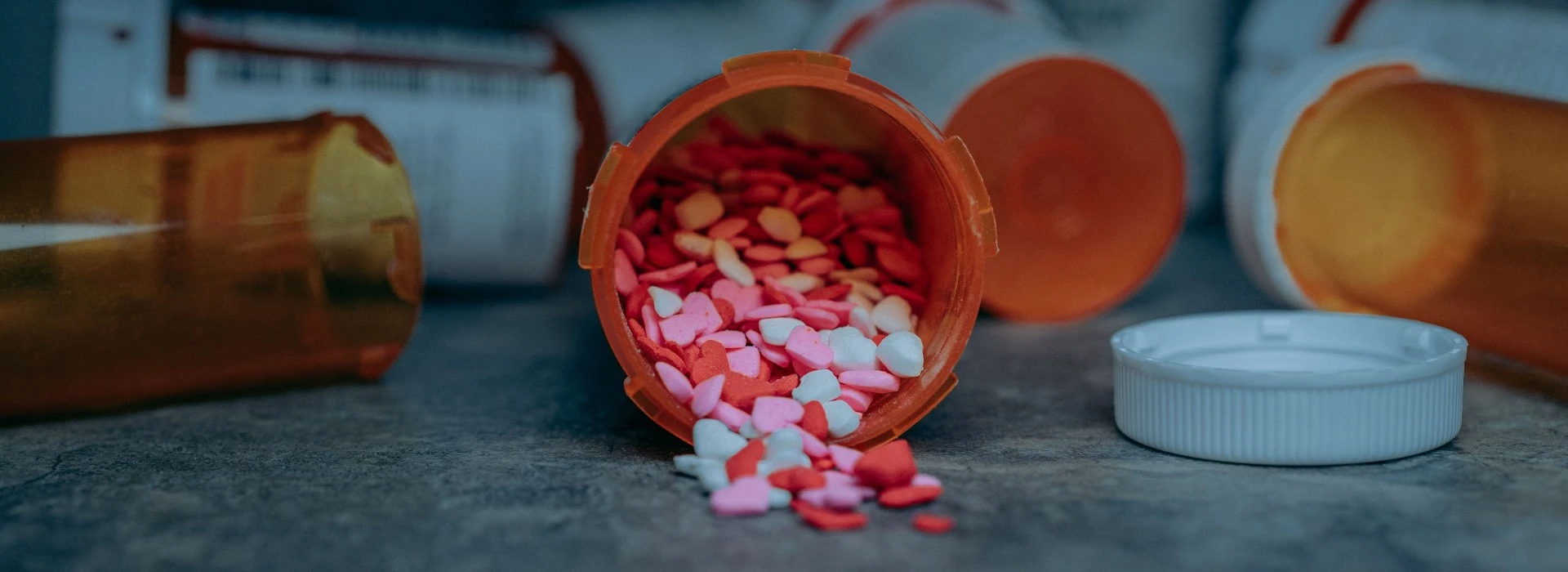
Benzodiazepine overdose treatment becomes important when these commonly prescribed medications, which are usually used as anxiolytic or anticonvulsant agents, are misused.
While benzodiazepine treatment can help manage anxiety, panic disorders, and sleep problems when used responsibly, it carries serious risks when taken in high doses or alongside other depressants.
If you or someone close to you is experiencing an overdose, knowing the warning signs, potential dangers, and steps for recovery can make a life-saving difference.
In this blog post, we discuss how benzodiazepines may lead to overdose, what symptoms to look for, and how full recovery is possible through timely and effective care.
What Are Benzodiazepines?
Benzodiazepines, or benzos, are a class of prescription drugs used to slow down the central nervous system (CNS). They are commonly known as Xanax, Valium, Ativan, and Klonopin, which enhance gamma-aminobutyric acid (GABA), a natural brain chemical that produces calming effects. These drugs are often used as sedatives, muscle relaxants, or seizure medications.
Although they’re frequently prescribed for anxiety, insomnia, and seizure disorders, benzodiazepine use over time can lead to tolerance, dependence, and overdose.
Understanding Benzodiazepine Overdose
A drug overdose may occur when you take more benzodiazepine than your body can safely handle. This can be due to intentional misuse or a combination with other substance use, especially with alcohol or opioids, which can amplify the effects of benzodiazepines.
It’s important to note that the danger is greater when you have a history of benzodiazepine dependence or are using other sedating drugs. Because these substances all act as depressants on your CNS, overdose can happen quickly and sometimes without warning.
Benzodiazepine Overdose Treatment Approaches
Effective overdose response begins with emergency medical care and continues with addiction treatment that supports both physical and psychological recovery.
Emergency Response and Medical Detox
If you’re experiencing an overdose, call emergency response immediately. Trained responders can quickly assess your situation and help you stabilise. They’ll check your vital signs, manage your airways, and provide ventilation support if your breathing has slowed or stopped due to respiratory depression. In case of respiratory failure, intubation may be necessary to ensure proper oxygen levels.
Once you’re stabilised, the focus will shift to medical detox. Here, you’ll be supported as your body clears remaining benzos. Specifically, you’ll be closely monitored to help you manage potential withdrawal symptoms.
Residential Treatment
After completing your detox, residential treatment offers you a structured and supportive environment where you can continue your recovery from the impact of substance use. Being in rehab helps you step back from triggers and break the cycle that’s been hard to escape.
In this level of care, you’ll have access to ongoing medical care, therapy, and support that focuses on your physical and psychological recovery. It’s also a chance for you to reset and move away from the patterns of substance use.
Therapy and Counselling
Your emotional and psychological recovery is just as vital as detox. Through individual therapy like Cognitive Behavioural Therapy (CBT) or Dialectical Behaviour Therapy (DBT), you’ll work with our licensed professionals to explore your personal experiences or mental health challenges that may have influenced your reliance on benzos. These approaches will also help determine the underlying cause of your substance use and help you understand how certain patterns developed over time.
In addition to individual sessions, group therapy can also be beneficial. This intervention creates a sense of connection and offers insight, support, and a reminder that you’re not alone.
Most importantly, these therapies can give you tools to handle situations that might trigger cravings or stress so you can cope without turning to sedation as a way out.
Aftercare Planning
Recovering from a benzodiazepine overdose doesn’t end when your residential treatment does. During this phase, aftercare is essential to maintaining your safety and progress. A personalised aftercare plan will help you stay grounded as you transition back into daily life.
Typically, aftercare involves outpatient therapy, support groups, medical oversight, and regular check-ins. This continued care is important, especially during your first few months of recovery, when cravings, triggers, and other stressors may still feel overwhelming.

What Are Benzodiazepine Overdose Symptoms?
Recognising the symptoms of benzodiazepine overdose is vital, and early detection can save your life. Here’s what to look for:
Neurological Symptoms
One of the common neurological symptoms of benzo overdose is drowsiness, slurred speech, confusion, and poor movement coordination. In more severe cases, excessive sedation can lead to unresponsiveness, fall into a coma, or experience a seizure.
Respiratory Symptoms
When you overdose on benzos, your breathing may become slow, shallow, or stop altogether. This kind of respiratory depression is particularly dangerous when benzos are combined with opioids or alcohol, which can further suppress your breathing.
Cardiovascular Symptoms
If you take too much of the benzo, your blood pressure may drop, and your heart rate may slow. Your skin or lips may also turn blue or pale due to a lack of oxygen, and without quick treatment, this can lead to cardiac arrest.
Psychological or Behavioural Symptoms
If you’re experiencing a benzodiazepine overdose, your behaviour may change in ways that feel confusing or out of control. Specifically, you might feel detached or unable to think clearly. Sometimes, you could act withdrawn, irritable, or aggressive without understanding why.
In more severe cases, you could experience hallucinations or delusions, which are serious signs and need emergency medical help right away.
What Causes a Benzo Overdose?
A benzodiazepine overdose usually begins with the need for relief, whether you’re trying to feel calmer, sleep better, or ease emotional or physical discomfort. However, that search can turn dangerous when you take more than prescribed or if you combine benzos with other depressants like alcohol and opioids.
In addition, if you have a history of benzodiazepine use, you might gradually increase your dose without realising you’re approaching overdose levels. In some cases, there’s intentional misuse, such as using benzos recreationally, which can also raise your risk significantly.

Is There an Antidote for Benzo Overdose?
In certain situations, flumazenil may be used to reverse the effects of a benzodiazepine overdose. It works by blocking the drug’s activity in your brain and helps you to reduce sedation and restore consciousness quickly.
However, the use of flumazenil must be approached with caution. For instance, if you’re physically dependent on benzos, it can induce acute withdrawal symptoms, including serious risks like seizures. Considering its danger, medical professionals will carefully evaluate whether the benefits outweigh the risks before administering it.
Does Overdose on Benzos Lead to Addiction?
An overdose doesn’t always mean that you’ve developed benzodiazepine addiction, but it often points to a pattern that needs attention. As mentioned, in some cases, the overdose is accidental as a result of confusion, stress, or mixing medications.
What’s more important is that, if you notice that you’re increasing your benzo use beyond what’s prescribed, it may be time to consider professional help.
Safely Recover from Benzodiazepine Addiction at The Orchid
There comes a point when silence becomes heavier than fear, especially when pretending everything’s fine is no longer an option. If you’re there now, let this be when things begin to change.
At The Orchid, we do more than manage drug overdoses or provide addiction treatment. We listen to your stories and create a safe space to explore the underlying cause of your problem.
Together, we can help you build a life that no longer depends on escape but on strength and connection.
Frequently Asked Questions
How is a Benzodiazepine Overdose Diagnosed?
Your healthcare provider will assess your symptoms, review your medication history, and may use toxicology screening to confirm the overdose.
How Long Do the Effects of a Benzodiazepine Overdose Last?
The effects can last anywhere from several hours to over 24 hours, depending on the dose, type of benzodiazepine, and your overall health condition.
How Soon Should I Seek Help After an Overdose?
Immediately. Delaying care increases your risk of serious complications.