If you are looking for alcohol rehab in Birmingham, you have several routes available: free NHS-funded treatment through Change Grow Live, a small number of NHS inpatient detox beds at the Park House unit, and private residential programmes either in the UK or abroad. This guide explains each option honestly, what to expect from each pathway, and when a residential programme outside Birmingham may be the right step.
Every path starts in the same place: acknowledging that something needs to change. That decision is already a significant one, and however you found this page, the information here will help you understand what is possible.
Understanding Alcohol Dependence: When Help Is Needed
Alcohol problems exist on a spectrum. Harmful drinking describes a pattern that causes physical, psychological, or social damage without the person having developed full dependence. Alcohol dependence is a clinical condition in which the body and mind have adapted to the presence of alcohol, and stopping or significantly reducing intake produces withdrawal symptoms.
NICE CG115, the UK’s primary clinical guideline for alcohol-use disorders, identifies alcohol dependence by features including a strong drive to drink, difficulty controlling use, continued drinking despite harmful consequences, and physiological withdrawal when not drinking.
If you are physically dependent on alcohol, please do not try to stop drinking suddenly without medical support. Alcohol withdrawal can cause seizures and a potentially life-threatening condition called delirium tremens (DTs). This is not a risk in every case, but it is a serious one for people with significant dependence. The right first step is to speak to your GP or contact an alcohol treatment service before changing how much you drink. If you experience severe symptoms such as confusion, hallucinations, or a seizure, call 999 or go to A&E immediately.
Alcohol dependence is a health condition. It is not a reflection of character or willpower.
NHS Alcohol Treatment in Birmingham: What Is Available
Birmingham has a range of NHS-commissioned alcohol treatment services available at no cost to people who live in the city.
Change Grow Live (CGL) is the main provider of community drug and alcohol treatment in Birmingham, commissioned by the local authority and delivered across multiple community settings. CGL offers free, confidential treatment to adults, including structured treatment programmes, group sessions, shared care through GP surgeries, and recovery coordination. You can self-refer directly or be referred by your GP.
Park House is the NHS inpatient treatment unit for Birmingham, operated by CGL and listed on the NHS service directory. It is an 18-bed purpose-built unit providing medically supervised detoxification and stabilisation for Birmingham residents and others from surrounding areas. The team includes specialist doctors, nurses, healthcare assistants, and group-work specialists. Park House represents the NHS residential pathway in Birmingham for people whose dependence requires medically managed detox.
The COMPASS programme, run by Birmingham and Solihull Mental Health NHS Foundation Trust (BSMHFT), addresses co-occurring substance use and mental health conditions (what is known as dual diagnosis). For people dealing with both alcohol dependence and a mental health condition such as depression, anxiety, or PTSD, COMPASS provides integrated support.
Access to all these services starts with a GP referral or, in the case of CGL, direct self-referral. Demand on NHS alcohol services is significant. According to GOV.UK statistics for 2024-25, 329,646 adults were in contact with drug and alcohol treatment services in England, the highest number since reporting began. While initial contact with community services is generally prompt, inpatient places at units like Park House are limited and tend to be prioritised for the most complex presentations.
What NHS Treatment Typically Involves
Once you are in touch with an NHS alcohol service, the first step is a clinical assessment. This looks at the nature and severity of your drinking, your physical and mental health, your home circumstances, and what treatment approach would be most appropriate.
For people with physical dependence, the primary clinical priority is a safe and medically supervised withdrawal. The UK clinical guidelines for alcohol treatment describe community detox (managed at home with prescribed medication and regular monitoring) as appropriate for many people with moderate dependence. Prescribed medications, which your treatment team manages, reduce the risk of withdrawal complications. You should never manage withdrawal independently. The decision about whether home detox is safe for you is always made by a clinician, not by you alone.
Alongside or after detox, structured psychosocial treatment forms the backbone of NHS alcohol care. This typically includes:
- Cognitive behavioural therapy (CBT): helping you identify and change thought patterns and behaviours linked to alcohol use
- Motivational interviewing: working with ambivalence about change
- Relapse prevention work: building practical strategies for managing triggers and cravings
- Mutual aid and peer support: groups such as Alcoholics Anonymous or SMART Recovery
Relapse prevention medications may also be discussed. These are prescribed and overseen by your clinical team. The focus throughout NHS treatment is on supporting you to reduce harm and build a sustainable recovery within your existing life.
When Community Treatment May Not Be Enough
NHS community treatment is the right starting point for many people, and a significant number recover well within this pathway. But community treatment has structural limits. You attend appointments, return home after sessions, and manage everything else in between.
The UK Clinical Guidelines for Alcohol Treatment identify residential treatment as appropriate for people with the most complex needs, including:
- Those who have not benefited from community treatment despite engaging genuinely
- People with significant co-occurring physical or mental health conditions
- Those whose home environment is not safe or supportive for recovery (unsafe living circumstances, a household where alcohol is present, social networks centred on drinking)
- People who need the structure and support of a 24-hour therapeutic environment to create the conditions for change
The guidelines note moderate-quality evidence that residential treatment improves outcomes across substance use and life domains, and that programme completion rates are a strong predictor of longer-term success. Residential treatment is not reserved for the most severe cases. It is a clinically appropriate option whenever community-based care is not providing enough containment or structure.
Private Residential Rehab: How It Differs from Community Treatment
Private residential rehab operates differently from NHS community treatment in both structure and intensity.
The core difference is immersion. In a residential programme you live within the treatment environment, typically for four weeks or longer. This means:
- Medically supervised detox on-site: withdrawal is managed in a clinical setting with 24-hour monitoring, rather than daily check-in calls at home
- Continuous clinical support: therapists, counsellors, and medical staff are available throughout the day, not just at scheduled appointments
- No access to alcohol: the environment itself removes the option to drink
- Daily therapeutic structure: individual therapy, group work, psychoeducation, and holistic activities are built into each day, not slotted into occasional appointments
- Removal from triggers: social networks, environments, and stressors associated with drinking are temporarily removed
Private residential programmes also tend to offer greater continuity: the same clinical team throughout your stay, rather than movement between different practitioners across a community pathway. For a broader overview of private residential rehab options across the UK, our UK rehab guide covers the key considerations.
Leaving Birmingham for Treatment: Why Distance Can Be Therapeutic
For many people, the social geography of their home city is itself part of the problem. Birmingham is where your social network is. It is where the triggers are. It is where the off-licences and bars are, and where the situations that have historically ended in drinking will arise again.
Geographic separation from this environment is not simply a practical matter. It is a therapeutic one. When you are no longer in proximity to the people, places, and routines that are entangled with your drinking, your brain has space to begin building new patterns. The distance also changes the commitment level: choosing to travel abroad for treatment means you are not carrying the option to walk home if treatment gets hard.
This is one of the most consistent observations made by people who have done residential treatment abroad. The physical distance is not an obstacle to recovery. For many, it is where recovery actually begins.
Our guide to the advantages of rehab abroad explores this in more detail.
Alcohol Rehab in Thailand: What The Orchid Recovery Offers Birmingham Clients
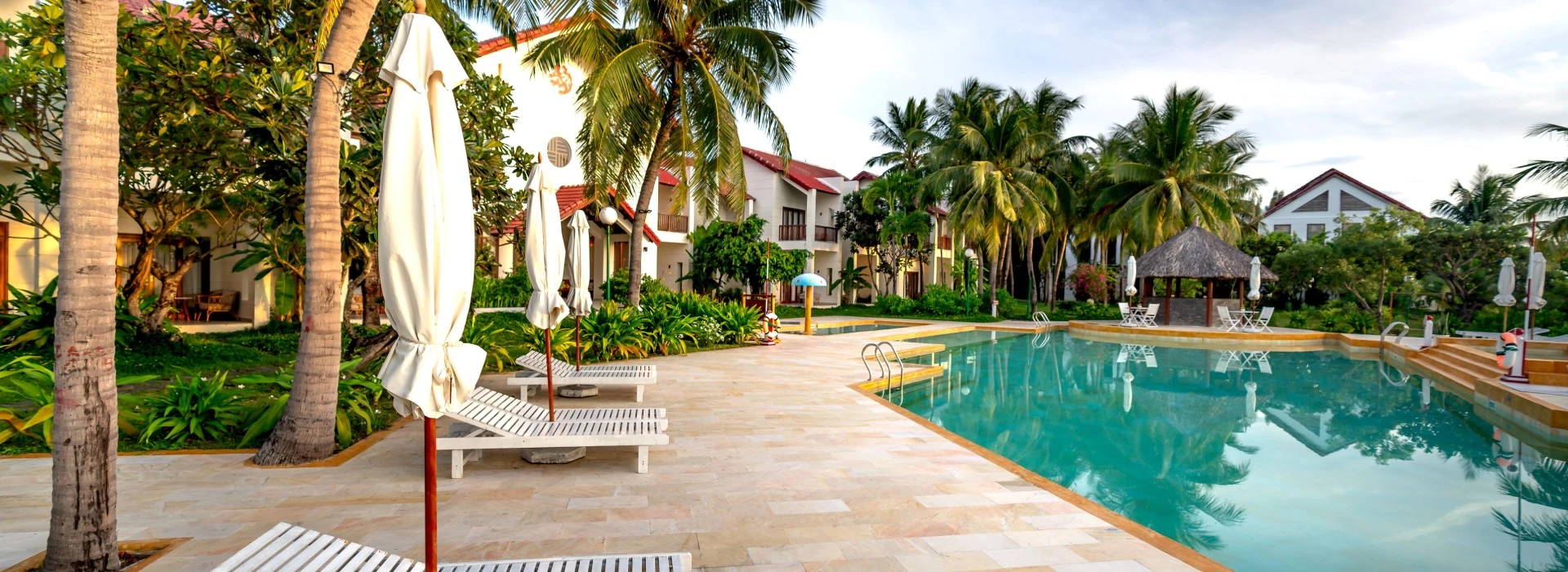
The Orchid Recovery is a private residential addiction and mental health treatment centre in Hang Dong District, Chiang Mai, Thailand. We provide personalised residential care for a maximum of 20 international clients at any one time, with programmes available over four, eight, or twelve weeks, preceded by a five-to-seven-day medically supervised detox.
Our clinical team is led by Dr. Suttipan Takkapaijit, our CEO and full-time on-site psychiatrist (MD, Thai medical license 13333), who is present throughout your stay rather than available only on referral. For medical complications arising during detox, we have a close partnership with Chiang Mai Ram Hospital nearby. Medical safety is not an afterthought; it is built into the programme design.
For alcohol treatment specifically, our alcohol addiction treatment programme incorporates:
- Medically supervised alcohol detox with clinical monitoring
- Individual therapy (CBT, DBT, EMDR for trauma where relevant)
- Group therapy and psychoeducation
- Dual-diagnosis support for co-occurring mental health conditions
- Family therapy (family involvement is welcomed and encouraged)
- Relapse prevention planning
Alongside the clinical core, our holistic programme includes yoga, mindfulness, Thai massage, Muay Thai boxing, sound baths, and cooking classes. These are not optional extras. They are part of the daily therapeutic structure, supporting nervous-system regulation and building sustainable self-care habits that clients carry home.
Treatment fees start from USD $7,900, and every residential programme includes two months of complimentary aftercare, covering virtual support and an invitation to on-site reunion events. Aftercare is often where longer-term recovery is consolidated, and including it rather than upselling it separately reflects our approach.
The Orchid Recovery welcomes clients from all backgrounds, including LGBTQ+ individuals and couples seeking treatment together. Our residential treatment programme page provides a full overview of what to expect from arrival through to aftercare.
Getting to Chiang Mai from Birmingham
Birmingham Airport (BHX) offers connecting flights to Chiang Mai via Bangkok and other hubs, typically routing through Heathrow, Dubai, or Bangkok depending on the airline. Direct services from Birmingham to Bangkok are available seasonally; from Bangkok, Chiang Mai is a short onward flight.
The total journey is achievable and our admissions team is experienced in supporting international clients with travel planning. Many of our UK clients make this journey every month. The logistics are straightforward once the decision is made, and we will walk you through everything.
If you are based across the broader West Midlands region, our dedicated West Midlands alcohol rehab page covers the same treatment pathways with regional context.
Cost of Alcohol Rehab: NHS, UK Private, and Thailand
Understanding the cost landscape helps you make an informed decision.
NHS treatment in Birmingham is free at the point of use for eligible residents. Community treatment through CGL, including any prescribed medication and structured therapy, carries no cost. NHS inpatient detox at Park House is also NHS-funded for those who are referred and accepted.
Private residential rehab in the UK varies considerably in cost depending on the facility and length of stay. Our guide to how much rehab costs in the UK covers the current range in detail. Private residential programmes in the UK are typically priced per week, and a standard 28-day programme can represent a significant financial commitment.
The Orchid Recovery offers residential programmes from USD $7,900, which includes medical detox, the full residential programme, and two months of complimentary aftercare. This pricing reflects our affordable-luxury positioning: international-standard clinical care in a boutique setting, at a price point designed to be accessible to people who cannot justify the upper end of the UK private market.
It is worth noting what aftercare costs extra at many programmes. At Orchid, it is included.
Ready to take the next step? Talk to our admissions team in confidence Our small team in Chiang Mai speaks with clients from Birmingham and across the UK every week. Whether you are weighing up options or ready to start, we can answer your questions, explain what the programme involves, and help you understand whether residential treatment in Thailand is right for you. No pressure to commit. Speak to our admissions team: /contact-us/
Sources
- Office for Health Inequalities and Disparities (OHID) / GOV.UK. “Adult substance misuse treatment statistics 2024 to 2025: report.” https://www.gov.uk/government/statistics/substance-misuse-treatment-for-adults-statistics-2024-to-2025/adult-substance-misuse-treatment-statistics-2024-to-2025-report
- National Institute for Health and Care Excellence (NICE). “Alcohol-use disorders: diagnosis, assessment and management (CG115).” https://www.nice.org.uk/guidance/cg115
- GOV.UK — UK Clinical Guidelines for Alcohol Treatment. “Section 14: Residential treatment and intensive structured day programmes.” https://www.gov.uk/guidance/clinical-guidelines-for-alcohol-treatment/14-residential-treatment-and-intensive-structured-day-programmes
- NHS Service Directory. “CGL — Park House Inpatient Treatment Service, Birmingham.” https://www.nhs.uk/services/service-directory/cgl-park-house-inpatient-treatment-service/N10870509
- Birmingham and Solihull Mental Health NHS Foundation Trust. “Addictions Services.” https://www.bsmhft.nhs.uk/our-services/addictions-services/
Frequently Asked Questions
Can I get free alcohol rehab in Birmingham through the NHS?
Yes. Change Grow Live (CGL) provides free, confidential alcohol treatment for adults in Birmingham, including structured therapy, group support, shared care with your GP, and recovery coordination. You can self-refer or go through your GP. For people who need medically supervised detox, Park House is an 18-bed NHS inpatient unit in Birmingham. Places are limited and tend to be prioritised for the most complex cases.
Is it safe to stop drinking without medical help?
If you are physically dependent on alcohol, stopping suddenly without medical supervision can be dangerous. Alcohol withdrawal can cause seizures and, in some cases, a serious condition called delirium tremens (DTs). The risk varies depending on the severity of your dependence, but it should always be assessed by a clinician before you make changes to how much you are drinking. Speak to your GP or contact CGL Birmingham before stopping. If you experience severe withdrawal symptoms such as confusion, hallucinations, or a seizure, call 999 immediately.
How long does alcohol rehab take?
It depends on the level of care and your individual needs. Community treatment through NHS services can run over several months of structured appointments. Residential programmes are typically four to twelve weeks, with a medically supervised detox period at the start. The UK clinical guidelines note that longer treatment duration is associated with better outcomes, and aftercare support after the residential programme matters significantly for long-term recovery.
What is the difference between community detox and residential rehab?
Community detox is medically supervised withdrawal managed at home, with daily phone checks or visits and prescribed medication to reduce seizure risk. It is appropriate for people with moderate dependence in a safe home environment. Residential rehab is an inpatient programme where you live on-site throughout treatment, with 24-hour clinical support, daily therapy, and no access to alcohol. Residential care is typically recommended when community treatment has not been sustained, when the home environment is unsafe, or when the level of dependence or co-occurring conditions requires more intensive support.
How do I access alcohol treatmeHow do I access alcohol treatment in Birmingham?nt in Birmingham?
The fastest route into NHS treatment in Birmingham is to contact Change Grow Live (CGL) directly; you do not need a GP referral, though your GP can also refer you. For inpatient detox at Park House, a referral through the treatment pathway is typically needed. If you are considering private residential treatment, you can contact The Orchid Recovery directly through our website or by phone and WhatsApp on +66 985 245 093. No referral is required.
Can I go to rehab in Thailand from Birmingham?
Yes. Many of our clients travel from Birmingham and across the UK. Birmingham Airport (BHX) connects to Chiang Mai via Bangkok and other hubs. Our admissions team supports international clients with travel planning and can answer any practical questions about how the journey works. Treatment fees start from USD $7,900 for a residential programme that includes medical detox and two months of complimentary aftercare. You can contact us via our <a href="/contact-us/">contact page</a> or on WhatsApp for a confidential conversation.