Substances like oxycodone, morphine, and heroin bind to opioid receptors in the brain. This makes them incredibly potent pain relievers, but it can also give users a ‘high.’ The harm that misusing these substances causes cannot be overstated, and they are becoming increasingly prevalent.
Opioid detox programmes help you safely stop using opioids and begin recovery. These programmes focus on managing withdrawal symptoms with medical support and guidance. You can find different kinds of opioid detox options, such as inpatient, outpatient, and medication-assisted treatment, so you can choose what’s best for your needs.
Understanding Opioid Detox Programmes
Opioid detox programmes are designed to help you stop using opioids safely and begin recovery. These programmes address the medical, physical, and psychological effects of stopping opioid use, and often use supervised care to manage withdrawal symptoms.
What is Opioid Detoxification?
Opioid detoxification, or detox, is the process of clearing opioids from your body under medical supervision. When you stop taking opioids, your body goes through withdrawal, which can be uncomfortable and, in some cases, risky. The goal of detox is to manage these symptoms so you can move forward with addiction treatment safely.
Detoxing from opioids can include medicines, monitoring of your health, and support from medical staff. You might experience symptoms such as sweating, nausea, anxiety, trouble sleeping, or muscle pain. Medical staff watch closely for serious issues, like dehydration or heart problems, to keep you safe. Uncomfortable as this process can be, it is a crucial first step in treating opioid addiction.
How Opioid Detox Programmes Work
Opioid detox programmes are usually run by trained healthcare providers in clinics, hospitals, or detox centres. They create an individual care plan based on your medical history, opioid use, and any other mental or physical health issues. Some programmes offer inpatient detox, which means you stay overnight, while others have outpatient options where you return home each day.
Medication may be given to help with withdrawal and cravings. Common medicines include methadone or buprenorphine, which are used to ease withdrawal symptoms and lower your chance of relapse. Support includes regular check-ups, counselling, and advice on what to do if medical problems come up.
Opioid Use Disorder
Opioid use disorder is a medical condition where you feel a strong urge to use opioids even when it causes harm to your health, relationships, or work. Many people find it hard to stop using these substances on their own because they’ve developed mental and physical dependence. This is why professional help is important.
Signs of addiction include needing higher doses to feel the same effects, not being able to cut down, and spending a lot of time getting or using opioids. In some cases, a person can use to the point of an opioid overdose. Opioid detox programmes are a first step to break this pattern and help you start recovery.
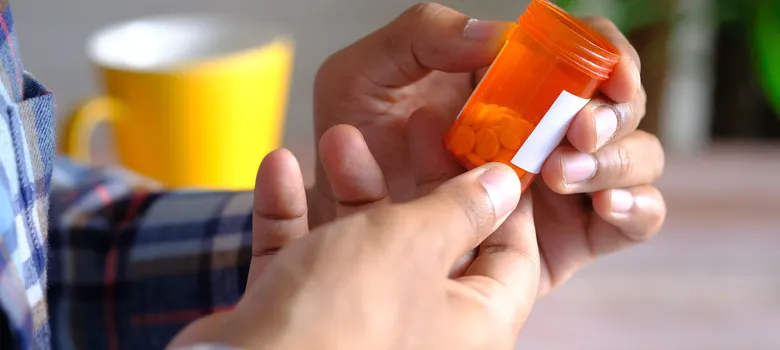
Types of Opioid Addiction Treatment
There are several treatment programmes to approach opioid withdrawal management, each designed to match different needs and levels of support. Choosing the right programme can help keep you safe and improve your chances of a successful recovery.
Medical Detox and Supervised Withdrawal
Medical detox is when you stay under the care of health professionals during withdrawal. This is often done in a hospital or detox centre. You get medical monitoring around the clock, which helps manage opioid withdrawal symptoms and reduces risks, especially if you have other health problems.
Medical detox is important for people who have used opiate substances for a long time or at high doses. It reduces the risk of medical complications and can make withdrawal less uncomfortable. You still need follow-up care after detox for long-term treatment.
Residential Rehabilitation
Residential opioid rehab programmes give you a safe space where you can focus on recovery without outside distractions. You live at the treatment centre full-time for weeks or even months.
These opioid treatment programmes provide 24-hour support and supervision. Staff include doctors, nurses, counsellors, and other health workers. Each day is structured to include therapy groups, one-on-one counselling, education, and activities.
Opioid Withdrawal Treatment
When you start detoxing, opiate withdrawal can be challenging. Symptoms can be both physical and mental, and cravings are often strong. Knowing what to expect, which medicines help, and how detox is monitored can help you feel more prepared and safe.
Common Withdrawal Symptoms
Withdrawal symptoms usually begin within 6 to 12 hours after your last dose, depending on the drug used. They can last about five days or longer. Symptoms often include muscle aches, sweating, anxiety, nausea, diarrhoea, and a runny nose.
Some people also have strong cravings, trouble sleeping, and feel very restless. Emotional symptoms like irritability or depression are common. Severe withdrawal can include rapid heartbeat and high blood pressure.
Medications Used in Detox
Medications can make opioid withdrawal easier and safer. Medications for opioid detox may include buprenorphine-naloxone (Suboxone) and clonidine. Specifically, Suboxone reduces withdrawal symptoms and cravings, which lets you feel more stable as you detox, while Clonidine helps with physical symptoms such as sweating, chills, and agitation, but does not stop cravings.
Naltrexone is an opioid antagonist that can block the effects of opioids, but it’s only used after you are fully detoxed because it can trigger severe withdrawal if opioids are still in your system.
Withdrawal Management and Monitoring
Opioid withdrawal is best managed under medical supervision for your safety. Nurses and doctors check your blood pressure, pulse, and temperature to catch any problems early. They monitor for dehydration, check for severe symptoms, and adjust medicine as your needs change.
Cravings can be strong, especially in the first few days. Staff may provide comfort, support, and coping strategies like deep breathing or distraction techniques. Regular check-ins help them respond to changes in your mood or physical health quickly.

Therapeutic Support and Aftercare
Opioid detox is just one step towards recovery. Ongoing support, therapy, and aftercare services are critical to help you avoid relapse and address both your physical and mental health needs. Treatment options for opioid dependence include:
Counselling and Therapy Approaches
Professional counselling can help you understand why you turned to opioids and how to build healthy coping strategies. Individual therapy gives you a safe space to talk through your struggles, set goals, and track progress. Approaches like motivational interviewing help you find your inner reasons to stay drug-free.
Group therapy is also common in rehab. It lets you share your story and learn from others who have faced similar problems. Family therapy often includes loved ones in your recovery, helping them to learn how to support you and understand how addiction affects everyone. These therapies, especially when personalised, address both addiction and any mental health condition that may make recovery harder.
Support Services and Groups
Support services and groups provide a network to lean on after detox. You might join meetings at organisations such as Narcotics Anonymous or Alcoholics Anonymous, which focus on peer support, sharing challenges, and celebrating milestones in recovery. Sober living homes are another option after detox and initial treatment, offering a safe environment as you transition back into daily life.
Some programmes offer case managers or recovery coaches who help you make a plan, find resources, and connect you with helpful services. Access to mental health care, help with housing or employment, and educational workshops are also important parts of many post-detox care plans. The goal is to give you practical, ongoing support for your long-term recovery.
Relapse Prevention and Well-Being
Preventing relapse is a top priority after an opioid detox programme. Effective relapse prevention combines regular therapy sessions, self-monitoring, and learning how to handle triggers that could lead to drug use. Stress management, healthy routines, and good sleep habits are key for your well-being.
You’ll likely be taught skills to identify warning signs before relapse happens and to use healthy coping methods instead of turning back to drugs. Support groups, relapse prevention classes, and ongoing check-ins with your care team are useful for staying on track. Good post-detox care can significantly improve your chances for long-term well-being and recovery.
Begin Opioid Rehab
Prescription opioids can be helpful for people in chronic or acute pain, but they also carry a serious risk of dependence and addiction. Misuse can also lead to life-changing consequences, including overdose. At The Orchid in Chiang Mai, we offer structured opioid detox programmes designed to support your recovery safely and effectively.
Frequently Asked Questions
What are the most effective treatments available for opioid addiction?
The most effective treatments combine medication with counselling. Medication-assisted treatment (MAT) uses medicines to reduce cravings and withdrawal symptoms. Common medications include methadone and buprenorphine. Counselling and peer support are included to address behaviour changes and mental health concerns.
How long does the detoxification process typically take for opioid dependency?
Opioid detox usually takes up to 7 days, but withdrawal symptoms may last beyond that. The length of detox can depend on the type of opioid you have used, how long you have used it, and your overall health. After detox, further addiction treatment is strongly recommended to reduce the risk of relapse.
Can opioid withdrawal be managed at home?
Opioid withdrawal can be very uncomfortable and may sometimes become serious. Because of the risks, it is safest to start detox in a medical facility or under the care of a health professional. Medical supervision can help manage symptoms and provide support in case of complications.
What support services are available post-detox to prevent relapse?
Post-detox, ongoing treatment, and support are important for long-term recovery. Support includes individual and group counselling, outpatient treatment, peer support groups, and relapse prevention programmes. These services help you address underlying issues and build coping skills.
Are there any medications that assist in managing withdrawal symptoms during detox?
Yes, some medications ease withdrawal symptoms. Methadone and buprenorphine are commonly used during detox. Clonidine may help with anxiety, muscle aches, and other symptoms. Medication can make detox more comfortable and safer.