Hong Kong has government-funded addiction services that cost almost nothing, and most expats never find them. Try those first. Treatment abroad earns its place only when privacy, language, waiting times or the environment itself makes local care unworkable. This page gives you the local routes by name, then the honest case for leaving.
If you are in immediate danger, or someone has taken an overdose, call 999. For 24-hour emotional support, the Centre for Health Protection lists The Samaritans on 2896 0000, Suicide Prevention Services on 2382 0000 and The Samaritan Befrienders Hong Kong on 2389 2222, all running 24 hours. For urgent mental health advice, the Hospital Authority’s Mental Health Direct line is 2466 7350, also 24 hours. The Samaritans’ hotline provides support in English, Cantonese, Putonghua and some other languages or dialects, and calls are answered in English first.
Start with 186 186, whatever you eventually decide
The Narcotics Division of the Security Bureau funds an anti-drug telephone enquiry service staffed by professional social workers. Dial 186 186, choose your language, then press 1 to speak to a social worker directly. The same service runs on WhatsApp and WeChat at 98 186 186, from 10am to 8pm daily.
This is not a sales line and nobody on it is trying to admit you anywhere. Social workers there give information, immediate counselling, or a referral into treatment. If you take one action after reading this page, make it that call.
When you get to the money question, ours is USD 10,900 for four weeks, with medical detox and two months of aftercare inside the figure. It is more than the government routes above and less than a month of private treatment in most Western markets, and you can have the number without speaking to anyone first. Call or WhatsApp +66 985 245 093 when you want the detail.
If the problem is alcohol
Hong Kong’s treatment system is built largely around drugs, and alcohol is less well served within it. If drinking rather than drugs is the issue, the routes below are the ones to know about.
The Department of Health’s Change4Health programme lists the community routes. The Tung Wah Group of Hospitals runs “Stay Sober Stay Free”, an alcohol abuse prevention and treatment service on 2884 9876, offering assessment, counselling and referral into inpatient treatment. Alcoholics Anonymous runs an English-language line on 9073 6922.
For clinical treatment, your GP can refer you into the Hospital Authority’s psychiatry specialist out-patient clinics, which take referrals from medical practitioners only. The Hospital Authority also runs a dedicated alcohol treatment service at Castle Peak Hospital, covering assessment, detoxification and counselling, and accepting referrals from doctors, social workers and clinical psychologists.
One thing to save you a wasted search. The Department of Health’s Pilot Alcohol Cessation Counselling Service concluded on 31 March 2026 as scheduled. You will still find it referenced online. It is not running any more.
If the problem is drugs
Hong Kong runs a layered system and the entry points are genuinely open.
- Counselling Centres for Psychotropic Substance Abusers. Eleven centres, including the Tung Wah Group’s CROSS Centre, offering information, counselling, treatment and basic medical support. The Narcotics Division maintains the full list.
- Hospital Authority substance abuse clinics. Run across the service clusters, taking referrals from counselling centres, voluntary agencies and health care providers, and in many cases people who approach directly.
- Methadone clinics. For opioid dependence, the Department of Health charges HK1pervisitforeligiblepersonsandHK40 for non-eligible persons, with no referral and no appointment. Very few countries offer anything that low-threshold.
- Voluntary residential programmes. Several NGOs run residential treatment and reintegration, typically over three to twelve months or longer.
One number is worth holding on to. The Central Registry of Drug Abuse recorded 5,077 reported drug abusers in 2025, down 2 per cent from 5,179, with heroin, cocaine and methamphetamine the most common drugs. That register counts people already known to reporting agencies. Someone using cocaine at weekends who has never been arrested or seen a clinic is not in it. Do not read a small number as a small problem.
What Hong Kong is genuinely short of
Private residential treatment at a length that fits a job. The residential capacity that exists is largely long-stay and NGO-run, measured in months rather than weeks. A three to twelve month programme does not fit most employment contracts. A four week one often does.
Language. Most community services counsel in Cantonese, and some offer English. If group therapy is going to do anything for you, you have to be able to speak inside it.
The expat problems nobody puts in a brochure
Your visa may be tied to your employer. If treatment costs you the job, it can also cost you the right to remain. That is a legal question, not a clinical one, and it belongs with an immigration solicitor before any treatment centre.
Hong Kong is a small city with smaller industries. Being seen walking into a clinic in Central is a real calculation, not paranoia. Privacy is a legitimate reason to travel and one of the few that does not shrink under scrutiny.
Drinking is load-bearing in professional life here. Client dinners, team nights out, the sevens, the boat. Stopping means renegotiating your working week, not just your evenings.
Check your insurance before you check our price
Many Hong Kong expat packages include international private medical insurance. Some policies cover inpatient psychiatric and substance use treatment. Many exclude it, cap it hard, or require a network provider. Four questions, in this order:
- Does my policy cover inpatient treatment for substance use or mental health, or only outpatient sessions?
- Is there a separate annual sub-limit for psychiatric care?
- Does it cover treatment outside Hong Kong, and must the facility be in network?
- Is pre-authorisation needed, and how long does it take?
We are private pay. We do not bill insurers and we are in nobody’s network. Some clients reclaim afterwards from their own policy and some do not. Establish which you are before committing to anything.
When leaving Hong Kong is right, and when it is not
It can be the right call if the using is welded to your Hong Kong routine and circle, privacy is a genuine professional risk, local outpatient support has not held, or you need residential care and can take four weeks of leave but not four months.
It is the wrong call if you are not medically fit to fly. That is a real risk during withdrawal, particularly from alcohol or benzodiazepines, after recent seizures, and where there is significant intoxication or confusion, and it needs assessing before anyone books anything. Also if you are under 18, because we do not admit under-18s. Also if you want outpatient or day treatment only, or a detox and nothing else, because detox here is part of a residential admission rather than a standalone stay. Also if you need specialist eating disorder treatment, which is not a clinical specialism here.
If any of those apply, the Hong Kong routes above are your answer, not us.
What it costs, and where we actually sit
Our fees start at USD 10,900 for four weeks, including two months of aftercare once you are home. Flights are on top, and from Hong Kong they are modest.
We are not the cheapest centre in Thailand and we do not claim to be. We sit mid-market: some Thai centres charge meaningfully less, some close to double. What we do is publish the number, which several centres do not. The fuller cost picture is here.
Against Hong Kong’s public services, which are free or close to it, we are obviously more expensive. That comparison is the honest one, and we would rather you made it now than later.
What you give up by going
Continuity of care. The step-down back in Hong Kong has to be arranged separately, by you, before you fly. NIDA notes that most people need at least three months of treatment to significantly reduce or stop drug use, with longer treatment associated with better outcomes.
Complications. Ask any overseas centre what happens clinically and financially if you need hospital care. Ours is an arrangement with Chiang Mai Ram Hospital, and you should ask what the equivalent is anywhere you consider.
Coming back. Hong Kong will not have changed. Nothing you build in Chiang Mai is anchored here unless you plan for it before you leave.
Practicalities from Hong Kong
Flights and time. Direct services to Chiang Mai run on HK Express and Cathay Pacific at roughly three hours, and Thailand is one hour behind Hong Kong. Family sessions and work calls happen at civilised hours, which is not true for clients travelling from the UK or the US. Check live schedules rather than this page.
Do not book flights before a clinical assessment. If the view is that withdrawal needs stabilising in Hong Kong first, a non-refundable ticket makes that conversation worse.
Visas. Requirements depend on your passport, not on your Hong Kong residency, and on programme length. Check with the Thai consulate. Our notes on the treatment visa question are a starting point, not authority.
Medication. Check before you travel, not after you land, and tell us what you take. Some medications routine in Hong Kong, including prescribed stimulants, opioids and benzodiazepines, are controlled differently in Thailand, some substances are prohibited, and a prescription may not be sufficient on its own. Bring prescriptions and documentation as well. Never stop a prescribed benzodiazepine, opioid or antidepressant on your own before flying.
What treatment with us involves
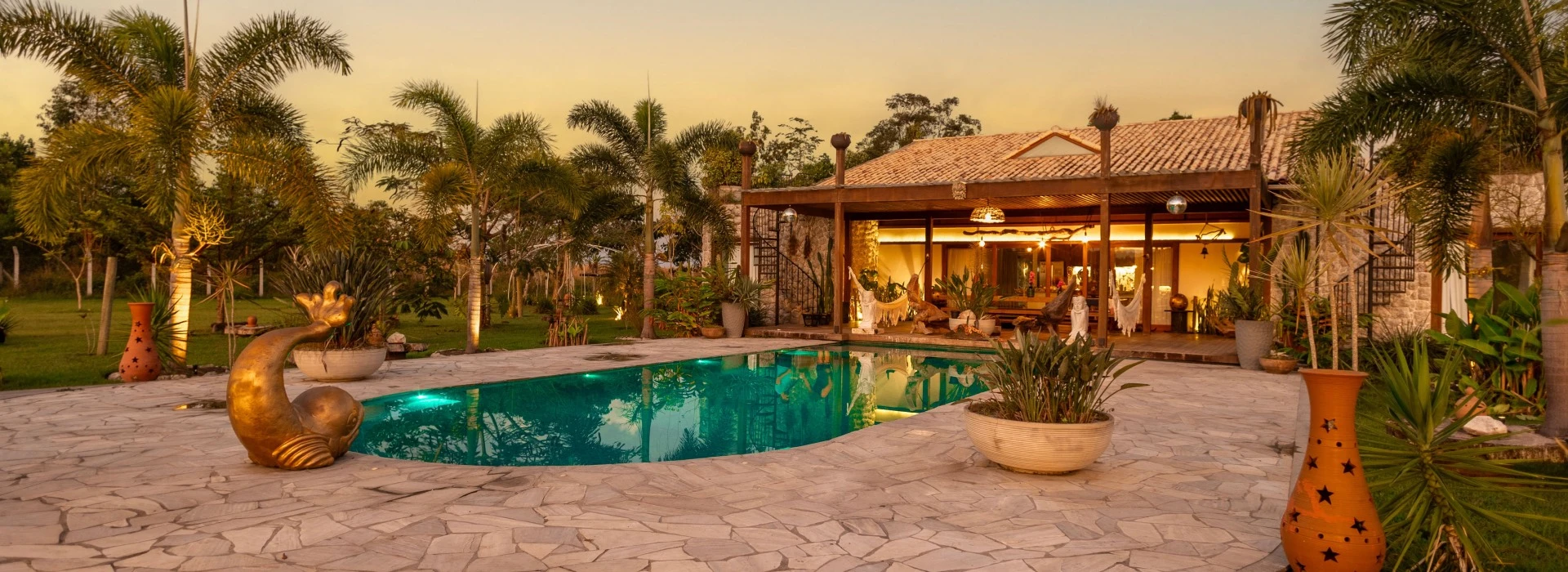
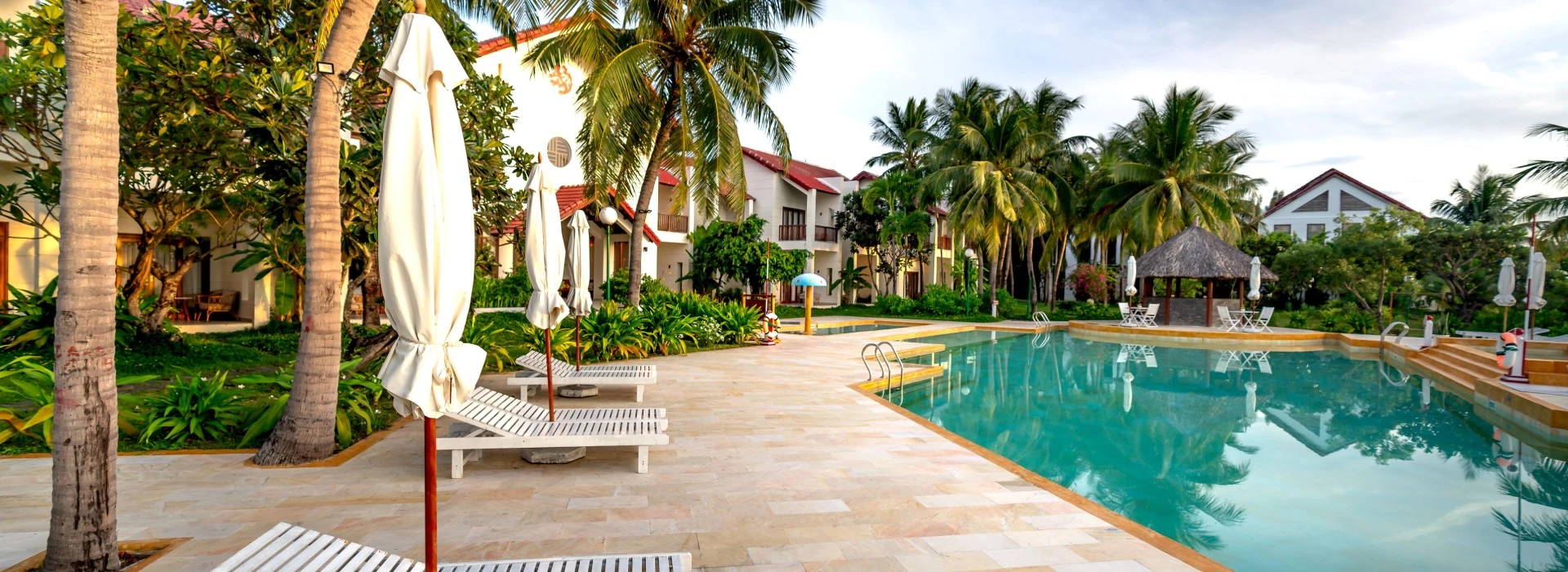
The Orchid Recovery is a private residential addiction and mental health treatment centre in Hang Dong District, Chiang Mai, Thailand, for international English-speaking adults. A single site, capped at 20 clients, with a full-time on-site psychiatrist and a hospital arrangement for anything requiring hospital care.
Programmes run four, eight or twelve weeks. Where the substance requires it they open with five to seven days of medical detox, alcohol or drug, then move into residential treatment, then two months of aftercare once you are home. Aftercare is remote and does not replace a clinician in Hong Kong, so arranging that before you fly is part of the plan rather than an afterthought.
If you want the detail: alcohol, cocaine, and burnout. Where a mental health condition sits alongside the substance, that is dual diagnosis. The clinicians who would treat you are on the team page.
If you are still weighing this up, talk to us whenever you are ready. There is no pressure in the conversation, and if the answer for you is 186 186 and a GP referral rather than a flight, we will say so.
Sources
- Centre for Health Protection, Department of Health, Seek Help hotlines
- Narcotics Division, Security Bureau, anti-drug telephone enquiry service
- Narcotics Division, list of major organisations providing drug treatment and rehabilitation services
- Department of Health, Methadone Clinics
- Change4Health, Department of Health, community resources for alcohol
- Change4Health, Pilot Alcohol Cessation Counselling Service
- Hospital Authority, Castle Peak Hospital Alcohol Treatment Service
- Government of the HKSAR, drug abuse and drug situation in Hong Kong in 2025
- National Institute on Drug Abuse, Principles of Drug Addiction Treatment
Frequently Asked Questions
What is the cheapest way to get help for addiction in Hong Kong?
The government-funded routes. Dial 186 186 to speak to a social worker at no cost, or ask your GP for a referral into a Hospital Authority psychiatry specialist out-patient clinic. For opioid dependence, Department of Health methadone clinics charge HK1pervisitforeligiblepersonsandHK40 for non-eligible persons, with no referral or appointment needed.
Can I get residential rehab in Hong Kong?
Yes, but the capacity is largely NGO-run, delivered mainly in Cantonese, and structured around programmes lasting three to twelve months or longer. That suits some people very well. It does not suit an expat with four weeks of leave and no Cantonese, which is the gap that drives most enquiries to us.
Will my expat health insurance pay for rehab in Thailand?
Possibly, but not through us directly, because we are private pay and do not bill insurers. Ask your provider whether the policy covers inpatient psychiatric or substance use treatment, whether there is a separate annual sub-limit, whether treatment outside Hong Kong is covered, and whether pre-authorisation is required.
How long does it take to fly from Hong Kong to Chiang Mai?
Direct services operate on HK Express and Cathay Pacific at roughly three hours, and Thailand is one hour behind Hong Kong. Confirm current schedules before planning anything.
Is it safe to fly if I am drinking heavily or taking benzodiazepines?
Not necessarily, and this needs a clinical answer before anything is booked. Withdrawal from alcohol and from benzodiazepines can be medically serious, and unsupervised withdrawal in transit is not something to attempt. Speak to a doctor in Hong Kong first, and tell us honestly what you are taking and how much.
Do you take clients under 18, or people who only want a detox?
No to both. We admit adults only, and detox is not offered as a standalone stay because it forms part of a residential admission here. We also do not run outpatient or day programmes and we are not an eating disorder specialist service. If one of those is what you need, the Hong Kong services above are the better place to start.
What is included in the USD 10,900?
Four weeks of residential treatment at a single site capped at 20 clients, with five to seven days of medical detox at the start where the substance requires it, and two months of aftercare once you are back in Hong Kong. Aftercare is included rather than upsold. Flights are extra and, from here, modest. Eight and twelve week programmes cost more.
How does admission work from Hong Kong?
Start with a call or a message rather than a booking. We take a clinical history covering what you drink or use, how much, when you last had it, your prescriptions and your physical health, and from that a clinician decides whether residential treatment abroad is appropriate and whether you are fit to fly. Dates come next, flights last.