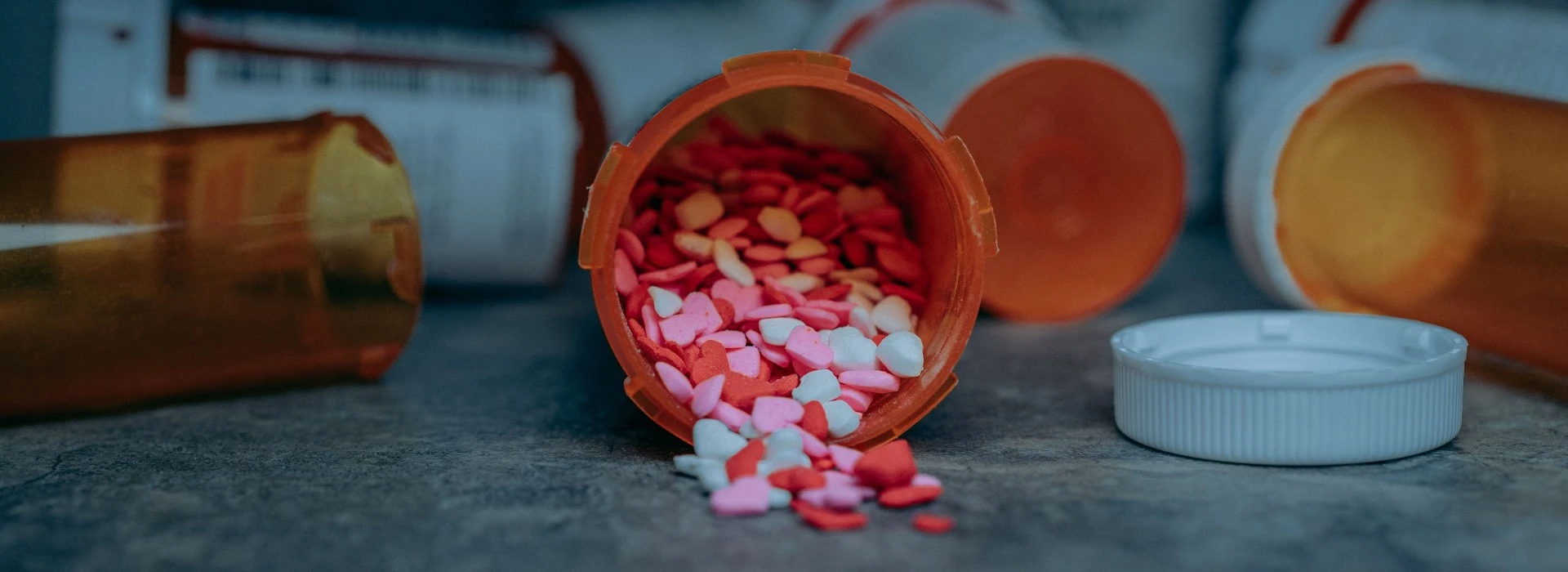
You usually do not have to stop drinking to take a statin. UK sources advise limiting alcohol rather than avoiding it, and the reason is the liver, not a chemical clash between the two. The caution sharpens considerably if you drink heavily, and it is worth understanding why before deciding it does not apply to you.
This page sets out what each source says, where they contradict each other, and what the evidence on statin liver injury actually shows. It does not give you a personal limit, because that depends on things a web page cannot see.
What the sources say, and where they differ
The NHS medicines pages are the ones most people land on, and they are not consistent with each other.
| Source | What it says about alcohol |
|---|---|
| NHS, atorvastatin | Try to limit how much alcohol you drink, as it can increase the risk of side effects like liver problems |
| NHS, rosuvastatin | Best not to drink too much, as it can increase the risk of side effects like liver problems |
| NHS, pravastatin | Try to limit how much you drink, as it can increase the risk of side effects like liver problems |
| NHS, simvastatin | Alcohol can increase your risk of side effects. Best not to drink too much |
| NHS, statins overview | No mention of alcohol at all |
| NICE NG238 | No statin-specific alcohol advice. Defers to the Chief Medical Officers’ guidelines |
| British Heart Foundation | Most people can continue drinking alcohol while taking a statin if they choose to |
Two things worth pulling out. The simvastatin page is the only one of the four that does not name the liver, which our reading is inconsistent page editing rather than a clinical distinction between the drugs. And NICE NG238, the current UK lipid guideline, contains no recommendation anywhere telling people on statins to limit alcohol. It points readers to the UK Chief Medical Officers’ low risk drinking guidelines that apply to everyone.
The British Heart Foundation is the most permissive reputable source, and the clearest: most people can carry on drinking, and regularly drinking a large amount alongside a statin can increase the risk of side effects and liver problems.
Why the caution is about the liver, not an interaction
This distinction matters, and most pages on this subject blur it.
Look at where alcohol appears in the licensed product information. In the atorvastatin Summary of Product Characteristics, alcohol is not listed in Section 4.5, the interactions section. Grapefruit juice is. Alcohol appears only under Section 4.4, special warnings, where the label says atorvastatin “should be used with caution in patients who consume substantial quantities of alcohol and/or have a history of liver disease”.
The simvastatin label carries the same idea in shorter form: “The product should be used with caution in patients who consume substantial quantities of alcohol.”
Neither label defines “substantial”. That is not an oversight so much as an admission that the threshold is individual.
Our reading of where the regulators placed that wording is this: alcohol and statins are not thought to collide chemically. Both can affect the liver, and both can affect muscle, so the concern is additive load on the same two organs, in the people already doing the most of it.
How likely is statin liver injury, really
Considerably less likely than the internet suggests, and this is the part where a page like this owes you calm rather than drama.
In 2012 the US Food and Drug Administration removed the recommendation for routine periodic liver enzyme monitoring from statin labels, having concluded “that serious liver injury with statins is rare and unpredictable in individual patients, and that routine periodic monitoring of liver enzymes does not appear to be effective in detecting or preventing serious liver injury”. Its data summary put reporting of statin-associated serious liver injury at two or fewer per one million patient-years.
The FDA also gave a reason rarely quoted: an expert panel believed routine monitoring mostly identifies isolated raised enzyme levels, which “could motivate physicians to alter or discontinue statin therapy, thereby placing patients at increased risk for cardiovascular events”. Over-testing was pushing people off a medicine protecting them.
Here is the inconvenient half. Rare is not never. LiverTox, the US National Institutes of Health reference on drug-induced liver injury, describes mild transient enzyme rises across all statins that are usually asymptomatic, alongside rare instances of clinically apparent acute liver injury, and it classes both atorvastatin and simvastatin as well known causes of it. Its two estimates use different denominators and cannot be compared directly, which is worth knowing whenever you see a single “statin liver injury rate” quoted.
One more honest note. Neither LiverTox chapter names alcohol as a risk modifier for statin liver injury. The caution about heavy drinking on statins comes from product labelling and general hepatology, not from a documented signal in the statin liver injury literature.
Whatever your drinking, do not stop a prescribed statin because of something you read here. Tell your prescriber how much you are actually drinking and let them decide what changes, if anything.
The muscle question
Statin labelling treats alcohol as a muscle risk factor as well as a liver one. The simvastatin label lists predisposing factors for rhabdomyolysis, the severe form of muscle breakdown, and alcohol abuse is one of them. The atorvastatin label pairs previous liver disease with substantial alcohol consumption in the same bullet. Alcohol contributes independently: the US National Institute on Alcohol Abuse and Alcoholism states that drinking increases the risk of myopathy, or muscle wasting.
Set against that, NICE asks clinicians to tell people that the risk of muscle pain, tenderness or weakness with statins is small, and the rate of severe muscle effects extremely low. Both are true at once. The everyday ache most people worry about is common and usually not serious. The severe version is rare and has recognised risk factors, of which heavy drinking is one.
What alcohol does to your cholesterol
This is where the folklore lives, so it is worth being careful.
It is true that alcohol raises HDL cholesterol. A 1999 meta-analysis in the BMJ measured that rise experimentally and concluded that alcohol intake was causally related to lower coronary heart disease risk through changes in lipids and clotting factors.
The problem is what happened to that conclusion afterwards. A 2014 meta-analysis of 117,411 patients found that niacin, fibrates and CETP inhibitors, three drug classes that raise HDL far more effectively than alcohol does, reduced neither all-cause mortality, coronary heart disease mortality, myocardial infarction nor stroke in people already on statins. A raised HDL number, on its own, turned out not to be the benefit everyone assumed.
HEART UK points the other way again, describing alcohol being rebuilt into triglycerides and cholesterol in the liver, and warning that alcohol can produce high triglycerides with low HDL, which it links to heart disease. Amount and pattern of drinking may partly explain the difference, and a 2026 study of drinking patterns and HDL cholesterol supports that reading, but it does not settle the contradiction, so we are not going to claim that it does.
What we will say is that nobody credible now recommends drinking for your heart. HEART UK is explicit that it does not. The World Health Organization’s 2023 position is that there is no safe amount that does not affect health, and that apparent protective effects are tightly connected to the comparison groups and statistical methods used. The UK Chief Medical Officers’ 2016 report interprets the evidence differently, leaving open the possibility of a narrow, heavily caveated protective effect for women over 55. That is a difference in how the evidence is interpreted, not UK advice that drinking is good for anyone, and it is not resolved here.
Liver testing, and what to tell your prescriber
If you want to know how often your liver should be checked, you will get different answers depending on who you ask. NICE NG238 sets out a defined schedule of baseline, early, and twelve-month transaminase testing, and then not again unless clinically indicated. The atorvastatin UK label says periodically thereafter. The simvastatin UK label says when clinically indicated. The FDA removed routine periodic monitoring altogether in 2012. Four positions, all current. Your own schedule is a matter for the clinician who prescribed the statin.
NICE also says something useful for anyone whose blood tests came back slightly off: do not routinely exclude from statin treatment people whose liver transaminase levels are raised but less than three times the upper limit of normal.
Before starting a statin, NICE asks clinicians to assess alcohol consumption alongside that baseline test, so you will very likely be asked. Answer with the real figure rather than the tidy one. It is one of the few places the honest number changes what happens next. Worth mentioning too: any history of liver problems, any muscle pain that began after the statin, and everything else you take.
When the drinking is the part that needs attention
Some people arrive at a page like this wanting a rule about wine with dinner. Others arrive because the honest answer to “how much do you drink” is one they would rather not give their GP.
Alcohol-related liver disease often causes no symptoms in the early stages, and the NHS is clear that if you stop drinking, the liver can often recover, with recovery becoming less likely at each stage. The window is real but it does not stay open.
If cutting down has stopped being straightforward, the early signs of alcohol dependence and what actually helps with cravings are more useful reading than another page about statins. If you have been drinking heavily every day, do not stop abruptly on your own without speaking to a clinician first, because unmanaged alcohol withdrawal can be dangerous.
The Orchid Recovery is a residential addiction and mental health treatment centre in Hang Dong District, Chiang Mai, Thailand, for international English speaking adults. If drinking has become hard to control, our pages on alcohol addiction treatment and medically supervised alcohol detox explain what that involves, our clinical team is listed here, and you can speak to us if it would help. Most people reading this page will not need us, which is the right outcome.
We have written separately about pregabalin and alcohol, where the interaction is a genuine one rather than an additive risk.
Sources
- NHS, Atorvastatin
- NHS, Simvastatin
- NHS, Rosuvastatin
- NHS, Alcohol-related liver disease
- electronic Medicines Compendium, Atorvastatin 20mg film-coated tablets, Summary of Product Characteristics
- electronic Medicines Compendium, Simvastatin 40mg Tablets, Summary of Product Characteristics
- NICE, Cardiovascular disease: risk assessment and reduction, including lipid modification (NG238)
- UK Chief Medical Officers’ low risk drinking guidelines
- FDA Drug Safety Communication, Important safety label changes to cholesterol-lowering statin drugs, 2012 (FDA web archive)
- LiverTox, Statins, NCBI Bookshelf
- Keene et al, Effect on cardiovascular risk of HDL targeted drug treatments, BMJ 2014
- Rimm et al, Moderate alcohol intake and lower risk of coronary heart disease: meta-analysis of effects on lipids and haemostatic factors, BMJ 1999
- Bramness et al, The impact of drinking patterns on the relationship between alcohol use and levels of serum high-density lipoprotein cholesterol (HDL-C), Alcohol 2026
- World Health Organization, No level of alcohol consumption is safe for our health, 2023
- HEART UK, Alcohol
- British Heart Foundation, Statins
- NIAAA, Alcohol’s Effects on the Body
Frequently Asked Questions
Can you drink alcohol while taking statins?
For most people, yes, within the general drinking guidelines that apply to everyone. The British Heart Foundation says most people can continue drinking alcohol on a statin if they choose to, while warning that regularly drinking a large amount raises the risk of side effects and liver problems. NICE gives no statin-specific alcohol advice at all. Your prescriber can tell you whether anything in your own history changes that.
Do statins and alcohol interact?
Not in the way people usually mean. Alcohol does not appear in the interactions section of the atorvastatin product information, though grapefruit juice does. Alcohol appears instead under special warnings, because both alcohol and statins can affect the liver and muscle. The concern is additive strain on the same organs, not a chemical reaction between the two.
Will drinking on a statin damage my liver?
Serious statin liver injury is rare. The FDA removed routine periodic liver enzyme testing from statin labels in 2012 after concluding that serious liver injury with statins is rare and that the testing did not detect or prevent it. Rare is not never, and heavy sustained drinking damages the liver in its own right, which is why the labels single out people who drink substantial quantities.
Which statin is worst with alcohol?
No UK source ranks them for alcohol risk. The NHS wording differs slightly between statins, but our reading is that this reflects inconsistent page editing rather than a real clinical difference. Where the statins genuinely do differ is grapefruit juice: the guidance for simvastatin is stricter than for atorvastatin, and the rosuvastatin and pravastatin NHS pages do not mention grapefruit at all.
Does alcohol raise your cholesterol?
HEART UK describes alcohol being rebuilt in the liver into triglycerides and cholesterol, raising both in the blood, and links alcohol to the combination of high triglycerides with low HDL. Older research measured alcohol raising HDL, which was once read as protective. That reading has not held up, because drugs that raise HDL far more than alcohol does have failed to reduce heart attacks or strokes.
Should I stop my statin if I have been drinking heavily?
No, and this is important. Do not stop a prescribed statin because of something you read here. Statins are prescribed to reduce the risk of heart attack and stroke, and stopping without discussing it removes that protection. Tell your prescriber how much you are actually drinking and let them decide what changes, if anything.
How much can I drink on a statin?
Nobody can give you that number from a web page, and anyone who does is guessing. The general population advice is set out in the UK Chief Medical Officers´ low risk drinking guidelines, linked in the sources above. Whether your own history means less than that, or none, is a question for the clinician who knows your liver function, your other medicines and your drinking history.