If you’re reading this, you’re likely considering a path to recovery for yourself or someone you care about. Although taking this first step to heal from drug and alcohol addiction isn’t easy, it’s really worth the effort.
Perhaps at this point, you’ve been looking into options abroad and hoping to find care that is both effective and affordable. You might want to consider getting treated in Thailand.
Thailand has become one of the most sought-after destinations for drug and alcohol rehab because it offers a serene setting, high-quality treatment, and a lower cost than similar programmes in the West.
But what are the drug rehab Thailand costs? Let’s explore the details so you can make the most informed decision about your next step.

Understanding Drug and Alcohol Rehab
Rehab involves various strategies to help you overcome addiction. Considering that recovery is more than abstaining from substances, a strong rehabilitation programme addresses the underlying causes of addiction and supports long-term sobriety.
Drug and alcohol rehab involves multiple layers of care. It provides you with a structured environment, which often includes medical detox, therapy, counselling, and aftercare planning. Rehab can be inpatient, where you’ll stay at the facility, or outpatient, which offers flexibility while maintaining support.
With professional guidance and a compassionate approach, rehab can empower you to recover, reconnect with yourself, and move toward long-term sobriety.
Drug Rehab Thailand Costs: How Much Does Rehab Cost in Thailand?
The cost of rehab in Thailand varies depending on the type of care, location, and level of comfort you’re looking for. Usually, you’ll find programmes ranging from $7000 to $30,000 AUD per month.
For example, you’ll find more basic rehab facilities offering essential treatment services with shared rooms and limited amenities, which are ideal if you’re looking for more affordable care without sacrificing quality. On the other hand, mid-range centres provide a comfortable balance of structure and wellness. You may have semi-private or private accommodation and a wider variety of therapies.
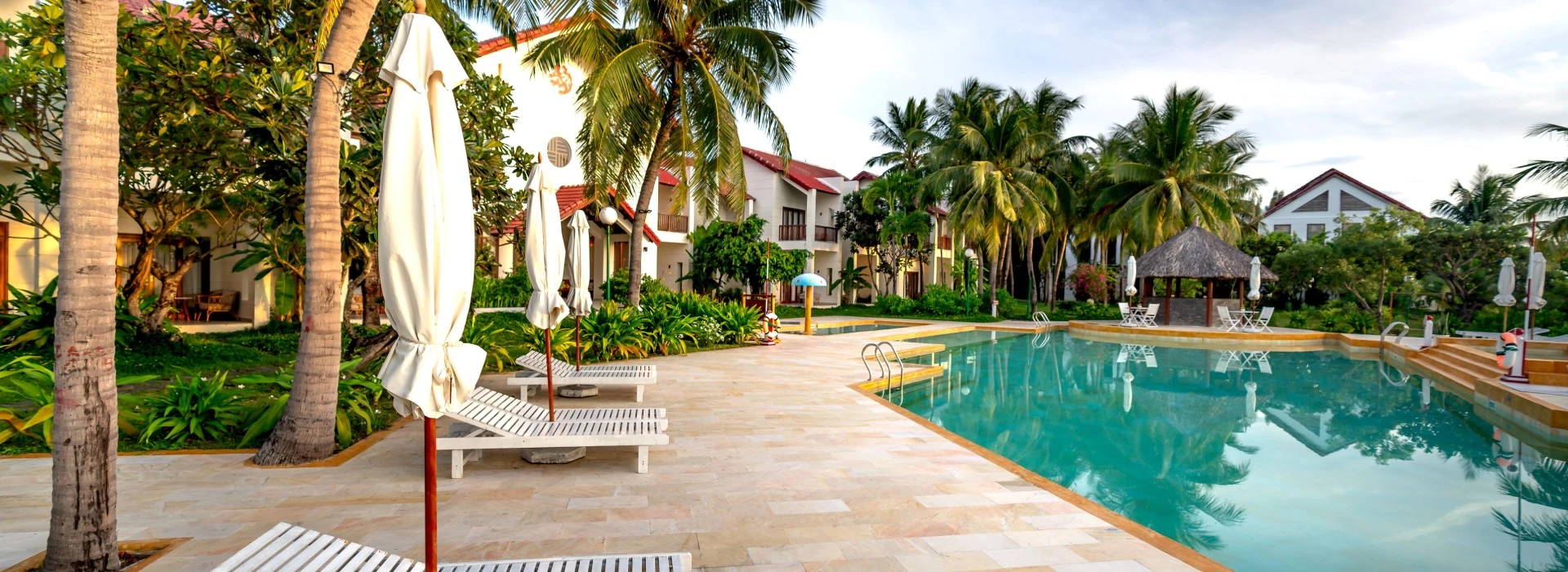
Meanwhile, luxury involves an additional cost because it often includes private villas, pools, spa treatments, gourmet food, and more personalised care. But even these premium options remain significantly more affordable than their Western counterparts.
Factors Affecting the Cost of Addiction Rehab
Understanding what goes into pricing can help you choose a programme that fits both your needs and your budget. Here are some of the factors affecting the cost of drug rehab:
Treatment Approach
Some programmes focus solely on detox and basic therapy, while others offer long-term evidence-based care that includes dual diagnosis support and more specialised treatment like trauma-informed therapy. The more comprehensive the approach is, the higher the cost.
Length of Stay
Shorter programmes, such as getting treated in 28 days, are usually more affordable than longer programmes, which can run from 60 to 90 days or more.

Amenities and Accommodations
Your living environment will directly impact the cost of rehab. For example, shared rooms are more cost-effective, while private suites or villas will involve a higher additional cost.
Location of the Facility
If you’re looking for a peaceful setting that encourages reflection and growth, Chiang Mai, where The Orchid is located, is one of Thailand’s perfect locations for recovery. Surrounded by mountains, the city offers a calm, restorative backdrop for your journey.
What to Expect in a Rehab Programme
Starting addiction rehab in Thailand means you’re getting closer to recovery. Here’s what you’ll expect in a rehab programme:
Detox and Medical Supervision
The first step in the rehab programme is detox. It’s a process that can be physically and emotionally intense. It’s important that detox is medically supervised, as there are serious and severe withdrawal symptoms that may manifest during the process.
Therapy Sessions
After the detox process, the focus of the treatment shifts to emotional and psychological recovery. Here, you’ll work with your therapist in individual sessions, participate in group therapy, and engage in family counselling.
In addition, if you’re living with co-occurring mental health problems like anxiety or depression, dual diagnosis treatment will help you address both conditions together.
Aftercare Programmes
Recovery doesn’t stop when your treatment programme ends. Thai treatment centres are known for their strong aftercare planning, which may include continued counselling and online support groups. These services are vital for preventing relapse and maintaining your sobriety in the long term.
Holistic Approaches
A unique strength of rehab centres in Thailand, like here in The Orchid, is the integration of holistic treatment. Yoga, trauma release exercise (TRE), sound bath, mindfulness, and meditation happen daily in our rehab. These therapies aim to improve your overall wellbeing.

Why Is Thailand Rehab More Affordable?
While there are a variety of reasons why rehab in Thailand is generally more affordable, one of the main factors is the lower cost of living in the country. This means facilities can operate with fewer overheads without compromising on care and quality of treatment.
In addition, favourable exchange rates also mean that your currency can go further. Whether you’re travelling from the United States, the United Kingdom, or Australia, your treatment budget will likely be lower in Thailand than it would be in your hometown.
Is Drug and Alcohol Rehab in Thailand Worth the Cost?
Getting treated in Thailand is absolutely worth it. If you’re considering the cost of rehab in Thailand, weigh it against what you gain, such as distance from triggers, world-class treatment, and the essential coping tools to reclaim your life. That’s all something no price tag can fully capture.
Furthermore, being immersed in a tranquil and natural setting in Thailand offers a helpful space for your reflection and growth. You’ll also get away from potential triggers, pressures, and routines that may have contributed to your addiction.
Begin Your Addiction Treatment in Our Rehab Centre
If you’re ready to reclaim your life from addiction, you’re welcome to connect with us. Here at The Orchid, we offer more than just a place to recover; we offer a space to rediscover who you truly are.
Our team understands the courage it takes to seek help, and we meet that courage with care, expertise, and unwavering support. Whether you’ve just begun thinking about change or have already taken your first steps, we’re ready to walk with you every single step of the way.
Let this be the moment you choose something new. A life filled with clarity, connection, and calm.
Frequently Asked Questions
How much does drug rehab Thailand cost?
The price of rehab in Thailand typically ranges from $7,000 to $30,000 AUD per month, depending on the program cost, length of stay, and level of comfort. From low-cost shared rooms to luxury rehab villas, Thailand rehab centers offer a wide range of treatment facilities at a fraction of the cost found in many Western countries.
Are rehabs in Thailand good?
Yes, rehab centers in Thailand are well-regarded for their strong clinical standards, holistic care, and dedicated medical staff. Many are licensed by the Thai Ministry of Health, and able to offer both detox and long-term recovery services with international accreditation.
Which country has the best rehabilitation?
While there are excellent treatment facilities globally, rehab centers within Thailand stand out in Southeast Asia for combining clinical care, natural serenity, and affordability. Many people from the U.S. or centres in Australia travel for medical tourism to access high-quality care that’s significantly cheaper in Thailand.
How long is drug therapy?
Drug therapy can last anywhere from a few weeks to several months depending on your needs. In Thailand’s rehab programs, weeks of treatment often begin with detox and continue through therapy and relapse prevention, all tailored to support mental health and addiction recovery before returning back to daily life.