Americans travel abroad for addiction treatment mainly because US private residential care is expensive and because distance from home helps. Both are real. But before either matters, there is a question that decides this for most people, and almost no overseas centre puts it near the top of the page.
If you have health insurance, your out-of-pocket cost for in-network treatment at home may well be lower than paying cash to us. We do not bill US insurance plans directly.
So check that first. If your plan covers residential treatment at a reasonable out-of-pocket cost, use it. This page is for people for whom that route does not work, or does not work well enough.
If you are in crisis or thinking about suicide, call or text 988 for the Suicide and Crisis Lifeline, free and confidential, 24 hours a day. In a medical emergency call 911. If someone has overdosed, call 911 first and stay with them.
Start with the free national line, whatever you decide
SAMHSA’s National Helpline: 1-800-662-HELP (4357). Free, confidential, 24 hours a day, 365 days a year, in English and Spanish. TTY 1-800-487-4889.
It is a treatment referral and information service, not a sales line. Trained specialists connect callers to local treatment facilities, support groups and community organisations, and transfer people to state services and intake centres.
Worth noting how unusual that is. Most countries’ equivalents run office hours on weekdays. The US line runs all night, every night, which matters because that is when people actually make this call.
When you get to the cash comparison, ours is USD 10,900 for four weeks, with medical detox and two months of aftercare inside that figure. You can have it here rather than after an admissions interview, which is not true everywhere you will look. Email admissions@orchidrecoverythailand.com, or message +66 985 245 093 on WhatsApp if the time difference makes a call awkward.
The insurance question, properly
This is the part that decides it, so here it is in full rather than buried.
Federal parity rules require most plans that cover mental health and substance use treatment to do so on terms comparable to medical and surgical benefits, though what that means in practice depends on your plan. For some insured Americans, that can mean residential treatment at an in-network facility carries a deductible and coinsurance rather than a five-figure cash payment.
Four questions to put to your insurer before you consider anything abroad:
- Does my plan cover residential substance use treatment, not just outpatient?
- What are the in-network facilities within reasonable travel, and what is my out-of-pocket maximum?
- Is prior authorisation required, and how long does it take?
- Does the plan cover any treatment outside the United States? Hear the answer directly rather than assume it.
If the answers make in-network treatment affordable, take it. It will be cheaper, closer to your support network, and easier to continue afterwards.
When people travel anyway, and why
Travelling abroad genuinely makes sense in a narrower set of circumstances than the marketing suggests:
- No insurance, or a plan that excludes residential care. Cash-pay US residential treatment is commonly quoted in the tens of thousands of dollars per month. Against that number, treatment abroad including flights is often substantially cheaper.
- A high deductible plan where the practical out-of-pocket cost approaches cash-pay anyway.
- Privacy that matters professionally. A licensed professional, a public figure, or someone in a small community where the local facility is not anonymous.
- The environment is the problem. Where the using is welded to a specific city, circle and routine, distance does clinical work that a facility forty minutes away does not.
What you give up by going
Stated plainly, because a page that only lists advantages is an advertisement.
Continuity of care is harder. US addiction treatment is organised around levels of care, with step-down from residential to intensive outpatient to outpatient. Doing the residential part on another continent means the step-down has to be arranged separately, by you, at home.
Your insurance may not be paying, and it may not cover complications either. Ask any overseas centre what happens, financially and clinically, if you need hospital care. Ours is an arrangement with Chiang Mai Ram Hospital, and you should ask what the equivalent is anywhere else.
Family involvement is harder across eleven time zones. Family work is part of most good programmes and it becomes video calls at difficult hours.
Coming back is the hard part. Four weeks away changes a lot. The environment you return to has not changed at all, and nothing you built abroad is anchored there unless you plan for it before you leave.
The cost comparison, honestly
Our programme fees start at USD 10,900 for four weeks, including two months of aftercare. Add flights.
Against cash-pay US residential treatment, the arithmetic usually favours travelling, and often by a wide margin.
Against in-network insured treatment in the US, it usually does not. That is the comparison that applies to most people reading this, which is why the insurance section is at the top.
We publish our price, which a number of centres do not, routing every enquiry to an admissions call instead. We are also not the cheapest centre in Thailand, and we do not claim to be. Some charge less, some charge close to double.
Practicalities from the US
Flights. No direct service to Chiang Mai from the US. Expect two connections from most cities, commonly through a Gulf hub or an East Asian hub then Bangkok. From the West Coast, budget 22 to 28 hours door to door. From the East Coast, longer.
Do not book before a clinical assessment. If the view is that withdrawal needs stabilising in the US first, a non-refundable long-haul ticket makes that conversation worse.
Visas. Requirements depend on your passport and programme length and they change. Check with the Thai embassy or consulate, not with any treatment centre’s summary.
Medication. Bring prescriptions and documentation, and tell us what you take before you travel. Some medications ordinary in the US, including prescribed stimulants, opioids and benzodiazepines, are controlled differently in Thailand.
What treatment with us involves
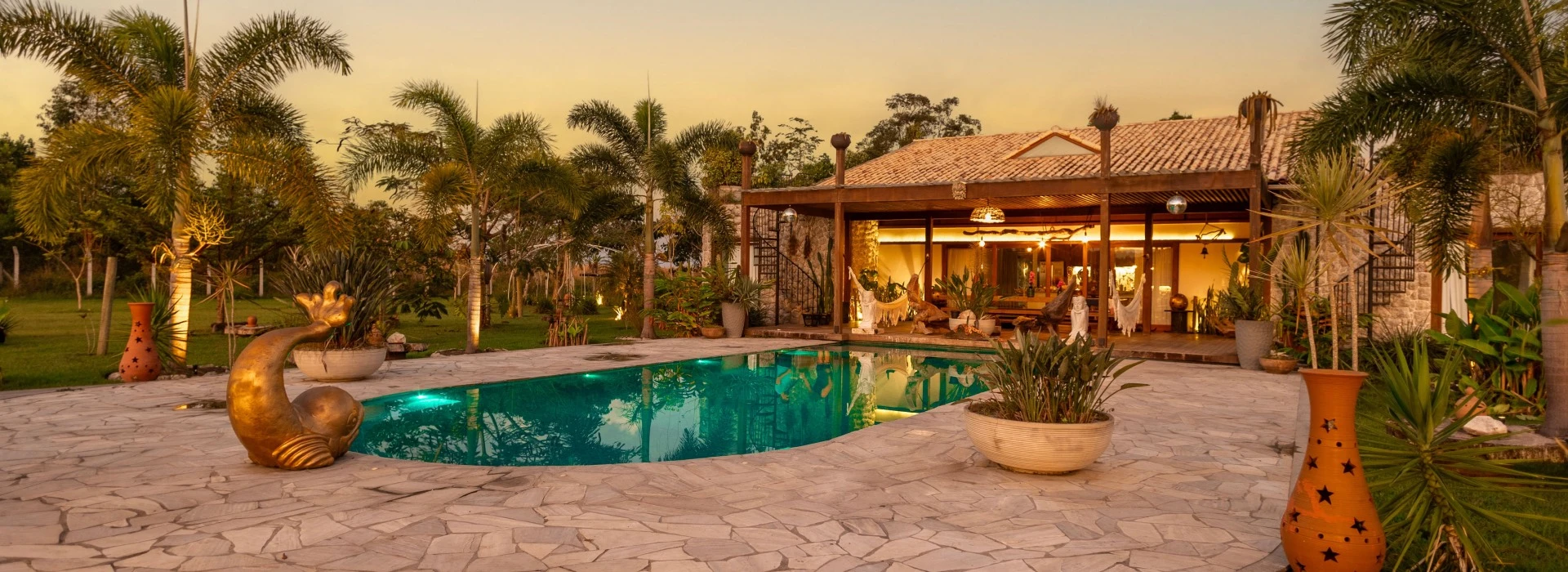
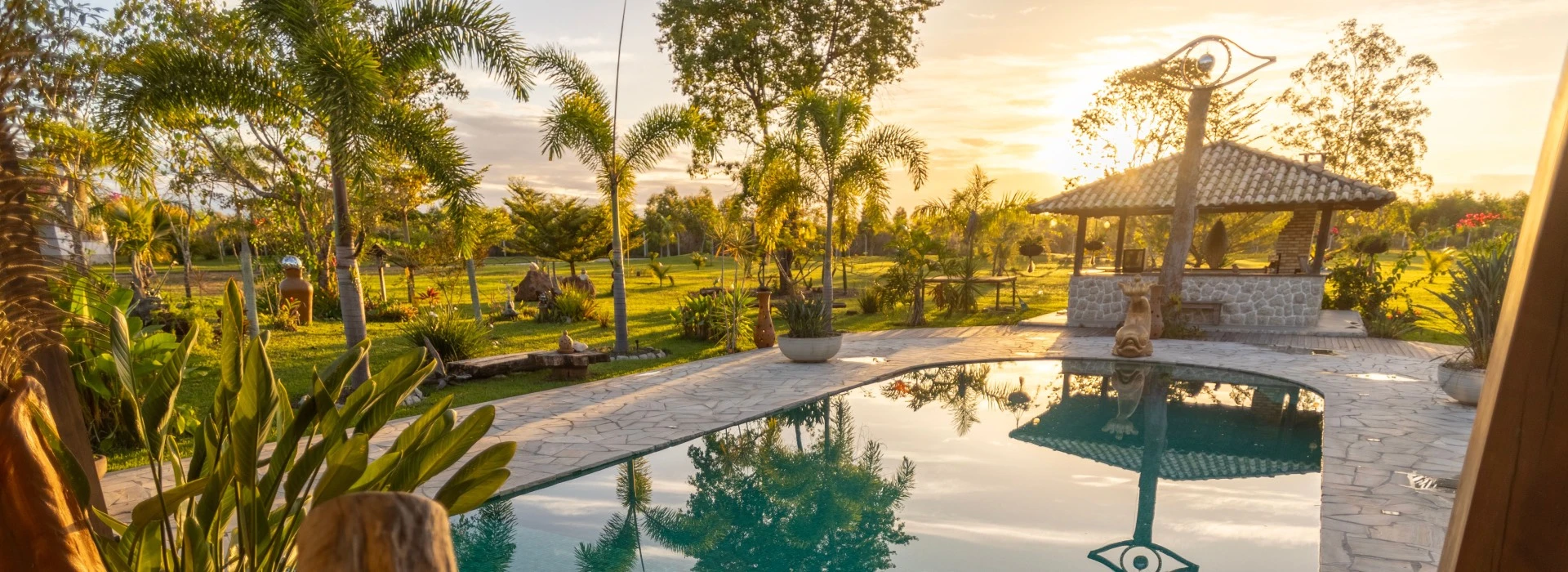
The Orchid Recovery is a private residential addiction and mental health treatment centre in Hang Dong District, Chiang Mai, Thailand, for international English speaking adults. A single site, capped at 20 clients, with a full-time on-site psychiatrist and a hospital arrangement for anything requiring hospital care.
Programmes run four, eight or twelve weeks, opening with five to seven days of medical detox where the substance requires it, then residential treatment, then two months of aftercare once you are home.
Substance-specific pages: alcohol, cocaine, heroin, fentanyl, prescription drugs, benzodiazepines. Where a mental health condition sits alongside, that is dual diagnosis. The fuller cost picture is here.
Aftercare is remote and does not replace a clinician where you live. Arranging US-based continuing care before you travel is part of the plan, not an afterthought.
Talk to us when you want to. If your insurance makes treatment at home the better answer, we will tell you that.
Sources
Frequently Asked Questions
Will my US insurance pay for treatment in Thailand?
Not through us, because we do not bill US insurance plans directly. Whether your plan covers any treatment outside the country is a question for your insurer. Confirm it with them directly rather than assuming either way, because the answer changes the whole decision.
Is treatment abroad cheaper than US rehab?
Against cash-pay US residential treatment, usually yes and often by a lot. Against in-network treatment on a plan that covers residential care, usually no. Which comparison applies to you depends entirely on your coverage, which is why that section is at the top of this page.
How do I find treatment in the US?
Call SAMHSA´s National Helpline on 1-800-662-HELP (4357). Free, confidential, 24 hours a day, 365 days a year, in English and Spanish. It refers you to local facilities and state services.
What happens if I need a hospital while I am there?
Ask that question of every centre you consider, including us. We have an arrangement with Chiang Mai Ram Hospital. Do not assume your US insurance will cover it, so understand the financial position before you travel, not after.
How long is the journey?
There is no direct flight. Expect two connections from most US cities. From the West Coast budget 22 to 28 hours door to door, longer from the East Coast. Do not book until after a clinical assessment.
Can I bring my prescription medication?
Bring the medication, the prescription and the documentation, and tell us what you take before travelling. Some drugs that are routine in the US, including prescribed stimulants, opioids and benzodiazepines, are controlled differently in Thailand, so this needs checking rather than assuming.
What about continuing care when I get home?
Two months of remote aftercare are included, and it does not replace a clinician in your state. Arrange US-based continuing care before you travel. Doing the residential phase abroad means the step-down has to be organised separately, and that is the part people underestimate.
What does treatment at The Orchid Recovery cost?
Fees start at USD 10,900 for four weeks. That covers five to seven days of medical detox where the substance requires it, the residential programme itself, and two months of aftercare once you are home. Flights from the US are on top. We publish that figure, which several centres do not, and we do not bill US insurance plans directly.
How does admission actually work from the US?
It starts with a conversation rather than a booking. You tell us what you use, what you are prescribed and what your health history is, and a clinician forms a view on whether residential care abroad is safe and sensible for you. Only then are dates agreed and flights booked. Call or WhatsApp +66 985 245 093, or email admissions@orchidrecoverythailand.com.