An executive burnout retreat is a structured residential stay that removes you from the work environment long enough to recover, with clinical support alongside the rest. It is not a holiday with a therapist attached, and it is not a treatment for a diagnosis, because burnout is not one.
That last point is where most of this market is quietly dishonest, so it is worth starting there.
Burnout is not a medical diagnosis, and anyone selling you a cure is selling something else
The World Health Organization includes burn-out in the ICD-11, but deliberately not as a medical condition. It sits in the chapter covering factors that influence health status and reasons for contacting health services, not the chapter of illnesses (WHO).
The WHO defines it as “a syndrome conceptualized as resulting from chronic workplace stress that has not been successfully managed”, with three dimensions:
- energy depletion or exhaustion
- increased mental distance from your job, or cynicism about it
- reduced professional efficacy
And it adds a restriction most people miss: burn-out “refers specifically to phenomena in the occupational context and should not be applied to describe experiences in other areas of life”.
Three things follow, and they shape everything below.
Burnout is occupational. If the exhaustion is coming from a bereavement, a divorce, or a health crisis, calling it burnout points you at the wrong solution.
Because burnout is not a diagnosis, a retreat cannot treat it as a diagnosis. What a residential stay can do is remove someone from the immediate stressor, help restore baseline functioning, and assess whether burnout sits alongside a condition that does require clinical treatment.
What else is going on is usually the important part. Exhaustion, cynicism and reduced efficacy overlap heavily with depression, with anxiety, and with alcohol use that has crept up. Those are diagnosable, and they are treatable. Assessment is the point of the stay, not an add-on to it.
If you are already fairly sure that rest alone will not fix this, the assessment is the thing worth buying, and it is what the opening days of a stay are for. Our centre in Chiang Mai takes 20 clients and stays start at USD 10,900 for four weeks. Message +66 985 245 093 on WhatsApp, which works across the time difference better than a phone call, or email admissions@orchidrecoverythailand.com.
Who this is actually for
The pattern is consistent. Senior responsibility, long hours held for years rather than months, sleep that stopped being reliable somewhere along the way, and a growing sense that the work you were good at now costs three times what it used to.
Often there is a second thing that nobody has said out loud: the wine has become nightly, or the prescription that was meant to be short term is now permanent, or the weekends are spent recovering rather than living.
If that second thing is present, this is not really a burnout problem and a retreat framed purely around rest will miss it. Read our page on executive rehab, which is the same programme approached from the other direction, or the alcohol and prescription drug pages if you already know which it is.
What a stay actually involves
A retreat that is only rest will make you feel better for a fortnight. The problem returns, because nothing about the situation changed.
What makes the difference is doing three things in the same stay:
Recovering the physical baseline. Sleep, nutrition, movement, and the removal of whatever has been propping you up. This is the part that genuinely needs the distance and the time, and it is also the part people underestimate. Nobody thinks clearly on four months of bad sleep.
Getting an actual assessment. A psychiatrist and a therapist forming a view on whether this is chronic occupational stress alone, or occupational stress plus a depressive or anxiety picture, or occupational stress plus a substance problem. These need different responses, and you cannot tell them apart from the inside.
Building something that survives the return. The single most useless outcome is a rested person walking back into an unchanged eighty hour week. Work on boundaries, on delegation, on what actually has to change, and on what you will do when the first bad week comes.
Our programme includes two months of aftercare, which exists precisely because the third part is the one that decides whether the stay was worth it.
Why Thailand, honestly
Two reasons that hold up and one that does not.
Distance works, and not for the romantic reason. Chronic occupational stress is maintained by proximity to the work. Same city means the phone still rings, the office is a taxi away, and “just this one call” happens on day three. Eleven time zones is a structural solution to a discipline problem.
Cost. Four weeks of residential care with psychiatric input costs less here than a fraction of that time in a UK, Australian or US private facility. Our fees start at USD 10,900.
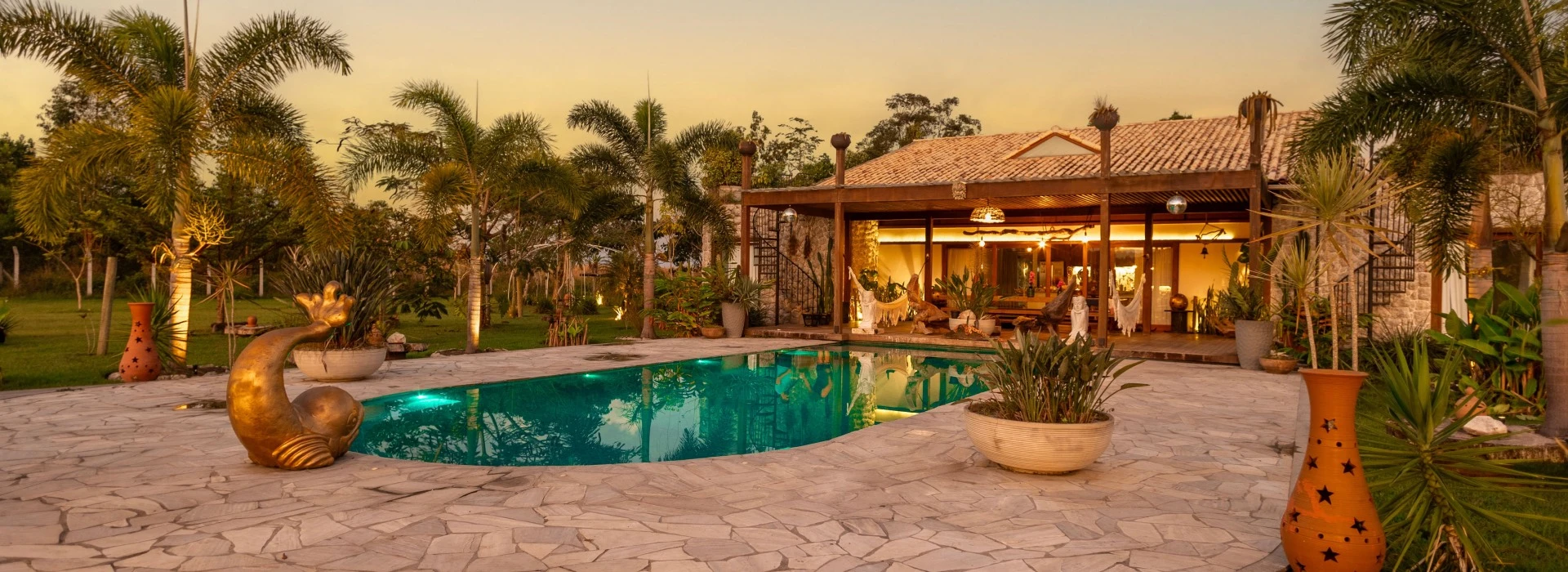
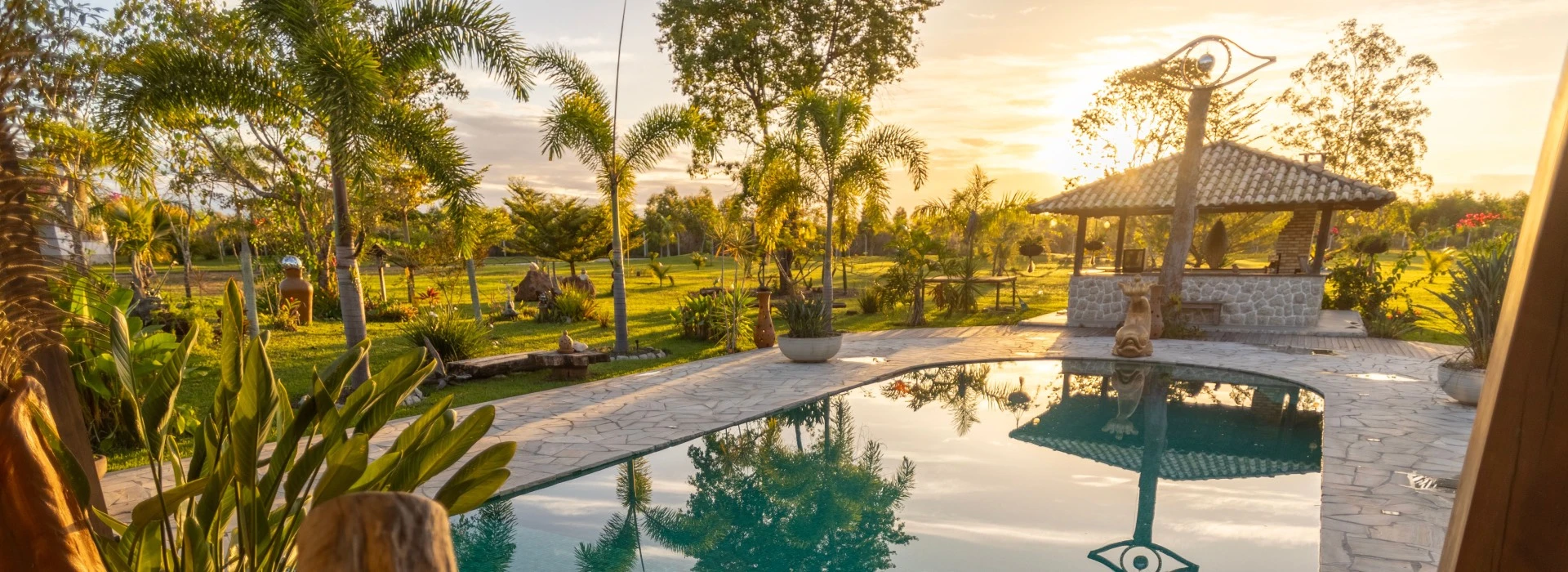
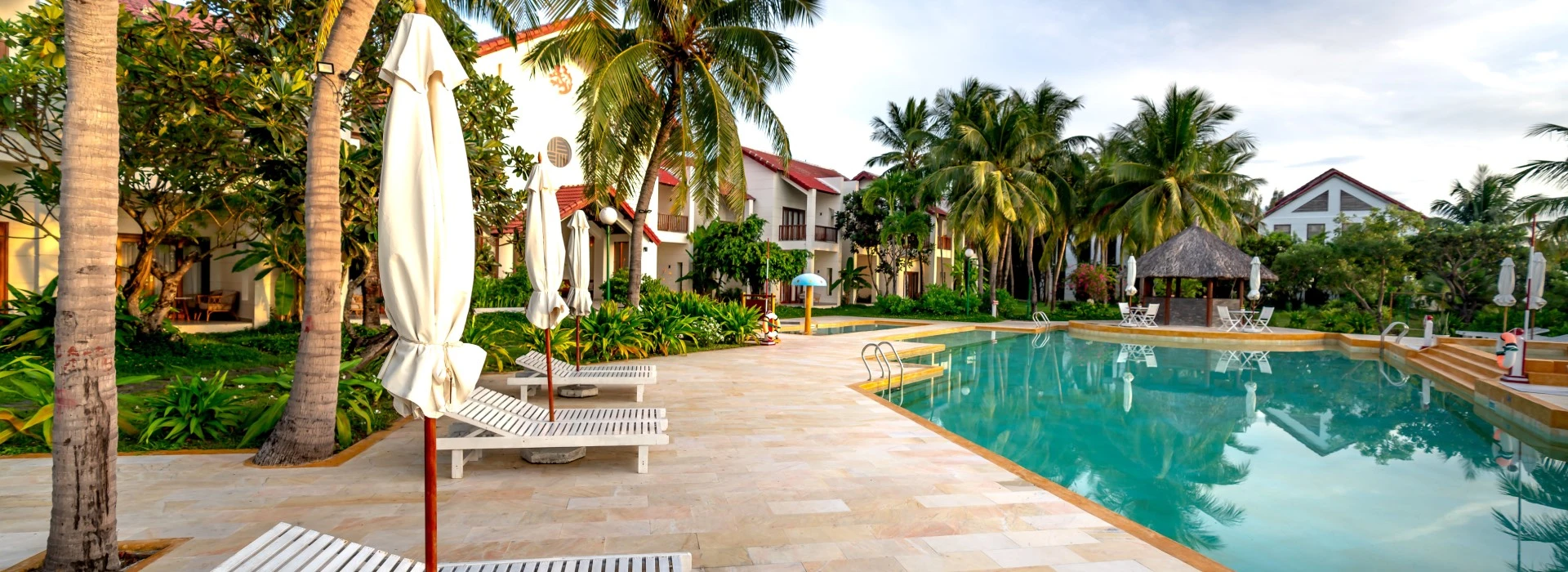
What does not hold up: the scenery. Chiang Mai is beautiful, and beauty is not clinically active. If a retreat’s marketing spends more words on the infinity pool than on who the clinicians are, that is the product being described accurately.
What to ask before you book anything
Burnout retreats are a soft market. There is no medical licensing requirement to call something a wellness retreat, although other licences, such as business licences, may apply, so the range runs from clinically staffed residential programmes to a villa with a yoga teacher.
Ask these, of us as readily as of anyone:
- Is there a doctor, and are they on site? Ours is a full-time psychiatrist. Ask for the name and the registration.
- Is the facility licensed as a medical facility? In Thailand that means a licence under the Sanatorium Act, held by the operator, plus a manage licence held by the medical director. A wellness retreat will not have one, which is fine if it is not claiming to be clinical.
- What happens if the assessment finds depression, or a substance problem? A retreat with no clinical pathway will hand you a referral and your money will have bought a rest.
- What is the ratio of guests to clinical staff? We cap at 20 clients on a single site.
- What happens after I leave?
When a retreat is the wrong answer
- If you are in crisis, or having thoughts of harming yourself, this is not the pathway. Contact your doctor or your local emergency service today. In the UK that is 111 or 999, and the Samaritans are on 116 123.
- If the exhaustion is not occupational. Burnout is defined as workplace-specific. Grief, illness and family crisis produce similar exhaustion and need a different response.
- If you have a diagnosed condition already under active treatment at home, continuity usually beats a month abroad. Talk to the clinician who knows you.
- If you cannot actually disconnect. A retreat you attend while running your role is a hotel with a worse view of your inbox.
What we do, and what we do not
The Orchid Recovery is a private residential treatment centre in Hang Dong District, Chiang Mai, Thailand, for international English speaking adults. We treat addiction and co-occurring mental health conditions, including anxiety, depression, mood disorders, PTSD and burnout, in a single boutique centre capped at 20 clients.
Programmes run four, eight or twelve weeks. Fees start at USD 10,900, which includes two months of aftercare. There is a full-time on-site psychiatrist and an arrangement with Chiang Mai Ram Hospital for anything requiring hospital care.
We are a treatment centre, not a spa. We do not offer week-long wellness breaks, we do not run day programmes, and we do not treat people under 18. If what you need is a holiday, a holiday will be cheaper and more enjoyable than we are.
Our general burnout treatment page covers burnout outside the executive context, and the dual diagnosis page explains how co-occurring conditions are handled. You can see the clinical team and the centre.
If you have read this far, the honest next step is a conversation with someone who can tell you whether this is the right shape of help. We are here, and if it is not, we will say so.
Sources
Frequently Asked Questions
Is burnout a medical diagnosis?
No. The WHO classifies burn-out in ICD-11 as an occupational phenomenon rather than a medical condition, in the chapter on factors influencing health status. It is real and it is serious, but it is not a diagnosis, and a centre offering to treat it as one is describing something other than what the classification says.
How long does an executive burnout retreat need to be?
Long enough to restore sleep and physical baseline, and long enough for an assessment to mean anything. Our programmes run four, eight or twelve weeks. A long weekend will feel good and change nothing.
What if the assessment finds something other than burnout?
That is the point of doing one. Exhaustion, cynicism and reduced efficacy overlap with depression, anxiety and problem drinking. If the assessment finds one of those, treatment continues within the same programme rather than needing a referral elsewhere.
Can I keep working during the stay?
Some structured contact is possible in the later phase and is agreed case by case. Not at the start. A retreat you attend while running your role is not removing the chronic stressor, which is the only thing that makes the stay work.
Will my employer need to know?
Not from us. We confirm nothing to anyone without your written consent. What we cannot control is your own disclosure or your organisation´s occupational health process if you use it. Ask us for the confidentiality policy in writing before you book.
How much does it cost?
Fees start at USD 10,900 for four weeks, including two months of aftercare. Ask any centre what is inside the quoted figure, particularly medical assessment, medication and any hospital care for complications.
Is this covered by insurance?
We are private pay. Some international policies reimburse residential mental health treatment abroad and many do not. Check with your insurer before you book rather than after, and ask them specifically about residential treatment outside your country of residence.
What does the fee actually cover?
USD 10,900 is the starting figure for four weeks of residential care, and the two months of aftercare that follow are inside it. Flights, travel insurance and visa costs are not. Eight and twelve week stays are quoted individually. Ask us to confirm in writing what is and is not included before you pay anything, and hold any other centre to the same standard.
How do I arrange a stay, and how far ahead?
Send a message or an email. Nobody is going to press you for a decision on a first call. What we need to establish is whether this is chronic occupational stress on its own or something with a diagnosis underneath it, because that shapes the length of stay you should be booking. Dates are confirmed after that conversation, and travel is booked around a confirmed date.