Private residential rehab in Thailand is a structured inpatient treatment programme where you live on-site, receive daily therapeutic and medical care, and step fully away from the environment where your addiction has been playing out. For international clients from the UK, Australia, and beyond, Thailand offers clinically credible private treatment at a significantly lower cost than equivalent private care at home, within a setting designed to support complete focus on recovery.
This guide covers what private residential rehab in Thailand actually involves, who is most likely to benefit, what to expect from a programme, and what to look for when choosing a centre.
What Private Residential Rehab in Thailand Involves
Residential rehab means you live at the treatment facility for the duration of your programme. Unlike outpatient care, where you attend appointments and return home each day, residential treatment removes you entirely from your usual environment and places you within a structured daily routine of therapy, medical oversight, group work, and recovery-focused activities.
In a private residential programme, that structure typically includes individual therapy sessions several times per week, daily group therapy, psychiatric review, medical monitoring where relevant, and a range of holistic or wellness activities integrated into the clinical timetable. Meals, accommodation, and therapeutic activities are all provided on-site.
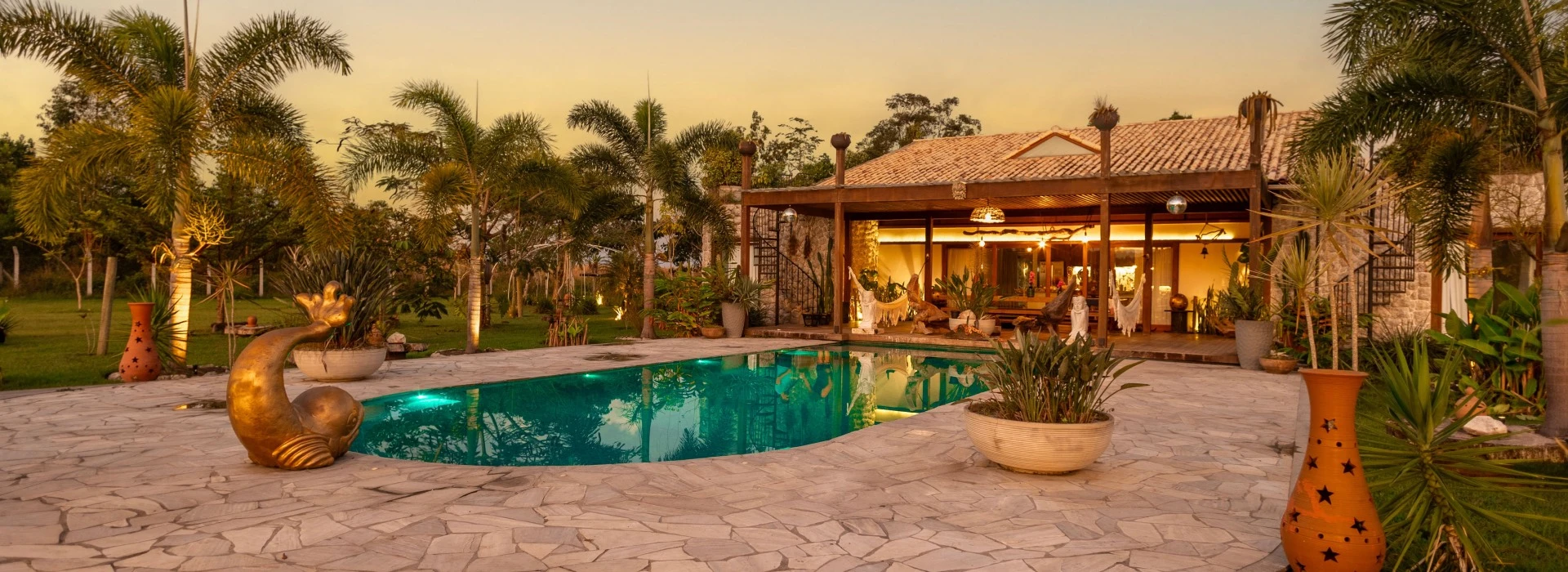
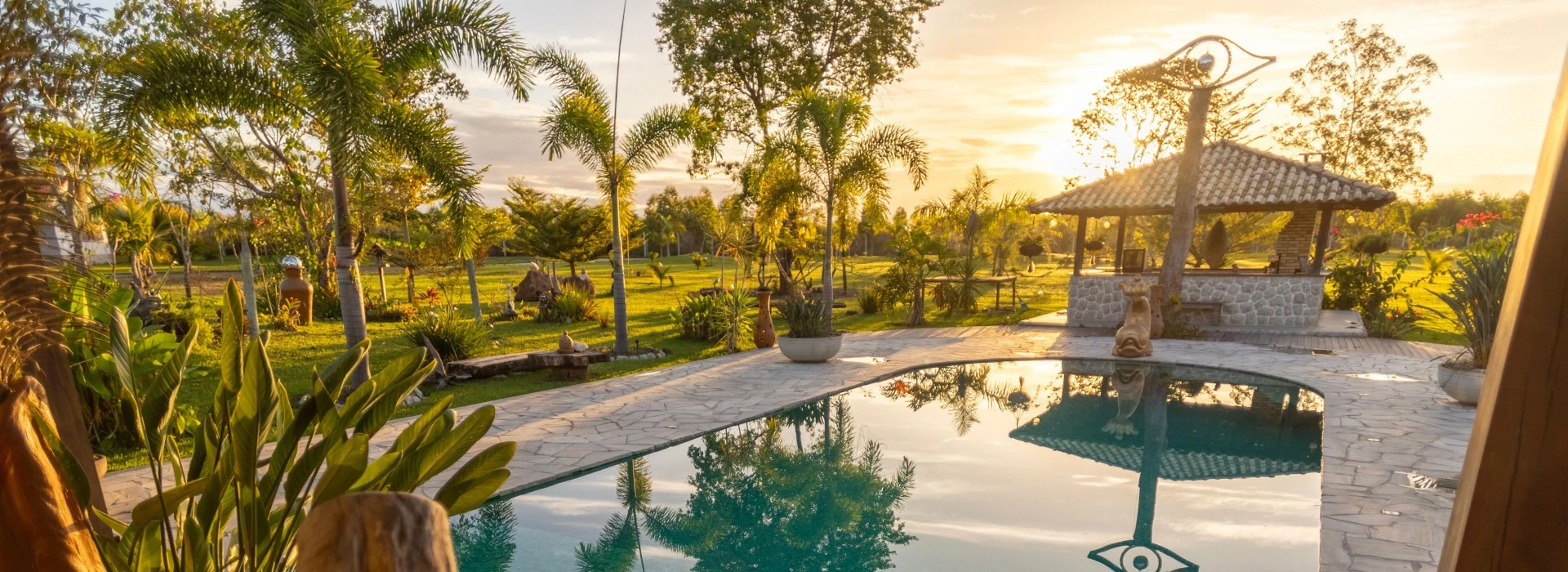
The private aspect means the facility operates outside government-funded systems, with lower client-to-staff ratios, purpose-built accommodation, and a clinical programme that can be personalised to your presentation. For international clients, this usually also means an English-language programme, internationally trained clinical staff, and admissions processes designed for people travelling from abroad.
Who Private Rehab in Thailand Is For
Private residential rehab in Thailand is not restricted to any single type of person or severity of addiction. The common thread among people who choose it is a recognition that change requires more than willpower, and that the current environment is not supporting recovery.
You may find a residential programme abroad particularly relevant if:
- You have already tried outpatient or community-based support and found it insufficient
- Your professional or community circumstances make attending local treatment difficult or unadvisable
- You want complete separation from the social network, locations, or relationships associated with your substance use
- You or a family member are managing both addiction and a co-occurring mental health condition, such as anxiety, depression, or trauma
- NHS waiting lists or cost constraints make private residential care in the UK inaccessible in the short term
Private rehab in Thailand is open to adults of any background. Reputable centres explicitly welcome men, women, couples, and LGBTQ+ individuals, and a good admissions team will assess fit carefully before recommending a programme.
Medical Detox: The First Stage of Treatment
For many people entering residential rehab, the first clinical requirement is medical detoxification: the process of safely stopping or reducing substance use under medical supervision while managing withdrawal symptoms.
Medical detox matters because withdrawal from certain substances, including alcohol and benzodiazepines, can carry serious medical risks if undertaken without clinical oversight. Attempting to stop these substances without support is not safe. A residential programme with an on-site doctor or psychiatrist provides the monitoring and, where appropriate, medication management that makes this process safe and as comfortable as possible.
It is equally important to understand what medical detox does not do on its own. According to the National Institute on Drug Abuse (NIDA), detoxification manages the acute physical effects of stopping substance use but does not by itself address the psychological, behavioural, and social dimensions of addiction. Detox is the beginning of treatment, not treatment itself. The residential programme that follows is where the therapeutic work takes place.
Duration of detox is clinically variable and depends on the substance, the pattern and duration of use, and the individual’s medical presentation. A reputable programme will not give you a fixed detox timeline before assessing you, because a responsible clinical estimate depends on your specific situation.
The Therapies and Approaches Used in a Private Programme
A quality private residential programme integrates evidence-based therapies, psychiatric support, and holistic activities into a single daily structure. Each component serves a purpose.
Evidence-based therapies are the clinical core. These typically include:
- Cognitive Behavioural Therapy (CBT): Helps identify and change the thought patterns and behaviours that maintain addiction. Well-evidenced for both substance use disorders and co-occurring anxiety and depression.
- Dialectical Behaviour Therapy (DBT): Builds emotional regulation and distress tolerance skills, particularly useful where emotional dysregulation plays a role in substance use.
- EMDR (Eye Movement Desensitisation and Reprocessing): An evidence-based trauma therapy recommended by the WHO and NICE for PTSD. Relevant where unresolved trauma is a driver of substance use.
- Trauma therapy: Structured approaches to processing adverse experiences that may underlie the addiction.
Individual therapy, group therapy, and family sessions each serve different clinical functions and typically run alongside each other in a full residential programme.
The holistic component of a Thai residential programme is not an optional extra. Activities such as yoga, mindfulness, meditation, Thai massage, and similar practices support nervous-system regulation, reduce stress, and build the daily rhythms that aid recovery. In a setting like Chiang Mai, with its mountain environment and cultural richness, these activities also reinforce the therapeutic separation from everyday life.
For people presenting with both addiction and a mental health condition (dual diagnosis), an integrated programme treats both concurrently rather than sequentially. SAMHSA notes that co-occurring disorders are common among those with substance use disorders, and that integrated treatment produces better outcomes than treating each condition separately.
The Role of Privacy and Distance in Recovery
One of the most significant therapeutic assets of residential rehab abroad is something that does not appear in any clinical protocol: physical distance from everything associated with your addiction.
When you remain in your home city, you remain within reach of the people, places, and situations that have been part of your using pattern. This is not a matter of willpower. Environmental cues are one of the most powerful triggers for craving, and proximity to those cues while trying to change is a structural disadvantage.
Choosing private rehab in Thailand removes that structural disadvantage. The distance creates a clean context: a period where you are genuinely away from work pressures, relationship dynamics, familiar stress patterns, and the social or physical environments where substance use has occurred.
Privacy is a distinct but related consideration. For people in professional roles, public-facing occupations, or tight-knit communities, seeking treatment locally carries real concerns about confidentiality. International private rehab provides a level of discretion that local treatment, particularly anything involving shared community settings, typically cannot match. What happens during treatment stays between you and the clinical team.
This is not medical tourism. The motivation for coming to Thailand is not relaxation; it is recovery. The environment supports that recovery because it is genuinely removed from the life that needs to change.
Private Rehab in Thailand vs Private Rehab at Home
When people research private residential rehab, cost is usually one of the first questions. Private residential treatment in the UK is expensive. A standard four-week programme at a private UK residential centre represents a significant financial commitment for most households, placing it out of reach for many people who cannot access NHS-funded residential care.
Private residential rehab in Thailand costs considerably less for a comparable standard of clinical care. The cost difference is structural: lower operational costs in Thailand allow private centres to offer a clinically equivalent programme at a fraction of the UK private price, while still providing purpose-built facilities, international clinical staff, and a full therapeutic timetable.
No responsible comparison should state a specific percentage reduction or invent a cost figure on your behalf. The right approach is to obtain a transparent, itemised quote from any centre you are considering, and compare that against current UK private rates. What the comparison generally reveals is that quality private residential treatment in Thailand is substantially more accessible in cost terms than UK private rehab of equivalent clinical standing.
| Factor | Private rehab in the UK | Private rehab in Thailand |
|---|---|---|
| Cost level | High — typically prohibitive for most without significant savings or insurance | Significantly lower for comparable clinical quality |
| Waiting time | Variable; immediate availability at some centres; NHS residential has significant waits | Typically able to admit within days of enquiry |
| Clinical quality | Strong at accredited centres | Strong at reputable centres with qualified international clinical staff |
| Distance from home triggers | Limited — you return to the same environment | Complete — geographic separation is a core clinical benefit |
| Holistic setting | Variable | High — natural environment, Thai cultural practices |
| Pricing transparency | Variable — may involve extras | Better at all-inclusive centres |
A related consideration for UK clients is NHS provision. NHS-funded residential treatment is available but waiting lists in many regions are substantial. For someone who is ready to commit to treatment now, the gap between readiness and availability can be clinically costly. Private residential rehab in Thailand removes that waiting period.
What to Look for When Choosing a Private Rehab in Thailand
Not all private centres are equal. Making an informed choice protects your investment and, more importantly, your wellbeing. Here are the criteria that matter.
Psychiatric oversight and medical staffing: A reputable residential programme has a qualified psychiatrist involved in clinical care, not just available by phone. On-site medical supervision is especially important if you are likely to require a medicated detox. Ask specifically whether there is a doctor or psychiatrist on-site throughout your stay.
Qualified therapists with verifiable credentials: Therapy is the heart of residential treatment. Ask about the credentials of the individual therapists who will work with you. Internationally recognised credentials (such as EMDRIA certification for EMDR, BACP or UKCP registration for UK-trained therapists, or equivalent) are meaningful indicators of clinical training.
Thailand Ministry of Public Health licensing: Reputable residential treatment facilities in Thailand are registered with the Ministry of Public Health. Licensing demonstrates a baseline of regulatory oversight and legal operation.
Programme structure and personalisation: A quality programme has a structured clinical timetable, not an ad-hoc approach. Ask to see a sample weekly schedule. Also ask how the programme is personalised to individual presentations, because a one-size approach is not best clinical practice.
Dual diagnosis capability: If you are managing both addiction and a co-occurring mental health condition, confirm that the centre has the psychiatric and therapeutic staffing to treat both concurrently. Not all centres are equipped for complex dual diagnosis.
Aftercare provision: What happens after you leave the residential programme is clinically significant. A centre that discharges you without a structured aftercare plan is leaving a gap in your treatment. Ask specifically what aftercare is included, and whether it is genuinely part of the programme or an additional cost.
Inclusive admissions policy: Confirm that the centre welcomes whoever needs treatment. A good programme is explicit about welcoming men, women, couples, and LGBTQ+ individuals.
Transparency: An honest admissions team will tell you if a particular programme is not right for your presentation, rather than taking your booking regardless. If a centre cannot answer your questions clearly, that is a signal worth heeding.
Programme Duration: How Long Does Residential Rehab in Thailand Take?
Private residential programmes in Thailand typically run for four, eight, or twelve weeks, with some centres also offering 28-day (approximately four-week) formats. Shorter programmes exist but are generally considered insufficient for anything beyond stabilisation.
According to NIDA, research indicates that treatment durations shorter than 90 days are of limited effectiveness for residential or outpatient treatment, and that longer engagement with treatment is consistently associated with better outcomes. For residential treatment, most clinical guidance supports a minimum of four weeks of structured residential care following any required detox period.
What determines the right duration for you is a clinical question, not a product choice. The right programme length depends on the nature and duration of your addiction, whether co-occurring conditions are present, how you respond to treatment in the early stages, and the aftercare structure in place when you leave. A good admissions team will discuss this with you during assessment, not present duration as a fixed menu item.
Aftercare: What Happens After You Leave
Residential treatment is a beginning, not an ending. The work of recovery continues after you leave the facility, and how that continuation is structured matters enormously.
NIDA’s principles of effective treatment identify continuing care as a key component of long-term recovery. The risk of relapse is highest in the period immediately following residential discharge, when the protective structure of the programme has ended but the full re-integration into daily life has not yet stabilised.
A structured aftercare programme bridges that gap. This typically includes regular contact with a counsellor or therapist, structured check-ins, access to support groups, and a clear plan for managing high-risk situations. Some centres provide virtual aftercare sessions that allow clients to maintain clinical contact even after returning home.
Aftercare is worth asking about explicitly during your admissions process, including whether it is included in the programme cost or an additional charge.
Private Rehab at The Orchid Recovery, Chiang Mai
The Orchid Recovery is a private residential addiction, mental health, and dual-diagnosis treatment programme in the Hang Dong District of Chiang Mai, Thailand. The centre provides personalised care for a maximum of 20 international clients at any one time, with treatment fees starting at USD $7,900.
The clinical team is led by Dr. Suttipan Takkapaijit, our CEO and full-time on-site psychiatrist (MD, Thai medical licence 13333), who provides psychiatric oversight throughout every client’s stay. Trauma and EMDR therapy is led by Mrs. Yuri Cardozo, an EMDRIA Level 3 credentialled therapist and member of the British Psychological Society, which represents one of the highest standards of EMDR training and consultation within the EMDRIA framework.
Our residential programme runs across four, eight, or twelve-week formats, with a 5-7 day medical detox included as part of the residential admission for those who require it. Medical partnerships with Chiang Mai Ram Hospital provide a clinical safety net for any medical needs arising during treatment.
Programmes integrate evidence-based therapies (CBT, DBT, EMDR, trauma therapy) with holistic activities rooted in Thai culture, including Thai massage, yoga, Muay Thai, sound baths, and mindfulness. Our holistic programme is part of the clinical design, not a wellness add-on. Two months of complimentary aftercare are included with every residential stay, delivered virtually and supported by an on-site alumni reunion.
We provide alcohol addiction treatment and drug detox within the same residential structure, with dual-diagnosis capability built into the programme from day one. The centre explicitly welcomes men, women, couples, and LGBTQ+ individuals.
If you are researching private residential rehab in Thailand and want to understand whether Orchid is right for your situation, our admissions team is available confidentially via WhatsApp, phone, or email.
Ready to take the first step? Speak to our admissions team confidentially Our small team in Chiang Mai speaks with international clients every week. We can walk you through what our residential programme involves, answer your questions about costs and timing, and help you decide whether it is the right fit, with no pressure to commit. Get in touch: /contact-us/
Sources
- World Health Organization / UNODC. “International Standards for the Treatment of Drug Use Disorders.” (2020). https://www.who.int/publications/i/item/international-standards-for-the-treatment-of-drug-use-disorders
- National Institute on Drug Abuse (NIDA). “Principles of Drug Addiction Treatment: A Research-Based Guide (Third Edition).” https://nida.nih.gov/publications/principles-drug-addiction-treatment-research-based-guide-third-edition
- National Institute on Drug Abuse (NIDA). “What is detoxification, or ‘detox’?” Principles of Drug Addiction Treatment. https://nida.nih.gov/publications/principles-drug-addiction-treatment-research-based-guide-third-edition/frequently-asked-questions/what-is-detoxification-or-detox
- National Institute on Drug Abuse (NIDA). “How long does drug addiction treatment usually last?” Principles of Drug Addiction Treatment. https://nida.nih.gov/publications/principles-drug-addiction-treatment-research-based-guide-third-edition/frequently-asked-questions/how-long-does-drug-addiction-treatment-usually-last
- Substance Abuse and Mental Health Services Administration (SAMHSA). “Co-Occurring Disorders and Other Health Conditions.” https://www.samhsa.gov/co-occurring-disorders
Frequently Asked Questions
What is private residential rehab in Thailand?
Private residential rehab in Thailand is an inpatient addiction and mental health treatment programme where you live on-site at a private facility for the duration of your stay, typically four to twelve weeks. You receive daily individual and group therapy, psychiatric oversight, and medical support in a structured environment away from home. Private centres operate outside government-funded systems and offer personalised, English-language programmes for international clients.
Who is private rehab in Thailand suitable for?
Private residential rehab in Thailand is suitable for adults who are dealing with alcohol or drug addiction, co-occurring mental health conditions, or behavioural addictions, and who want comprehensive, structured treatment in a private setting away from their home environment. It is particularly relevant for people who cannot access local private treatment due to cost or waiting times, those who need full geographic separation from their usual environment, and those in professional roles where local treatment raises confidentiality concerns.
Is private rehab in Thailand medically safe?
Yes, at reputable centres. Quality private residential programmes in Thailand include full-time medical and psychiatric oversight, licensed clinical staff, and medical partnerships with local hospitals for any needs that exceed on-site capability. Centres registered with Thailand's Ministry of Public Health operate under regulatory oversight. Before choosing a centre, confirm that a qualified doctor or psychiatrist is on-site throughout treatment, not only available on call.
What does a private rehab programme in Thailand cost?
Costs vary by centre, duration, and level of care. What is consistent across reputable Thai private centres is that comparable clinical quality costs significantly less than equivalent private residential treatment in the UK or Australia. Transparent all-inclusive pricing (covering accommodation, meals, therapy, and medical care) is common at quality Thai centres. Orchid Recovery Thailand's treatment fees start at USD $7,900. The most important step is to request a clear, itemised quote from any centre you are considering.
How long does a residential rehab programme last?
Most private residential programmes in Thailand run for four, eight, or twelve weeks following any required medical detox. NIDA's research-based guidelines indicate that longer engagement with treatment is consistently associated with better outcomes, and that very short programmes have limited effectiveness. The right duration for you depends on your clinical presentation, the substances involved, whether co-occurring conditions are present, and the aftercare structure in place when you leave.
What is dual diagnosis and how is it treated in a residential programme?
Dual diagnosis refers to the presence of both a substance use disorder and a co-occurring mental health condition, such as anxiety, depression, PTSD, or a mood disorder, at the same time. SAMHSA notes that co-occurring disorders are common among people in treatment for substance use. An integrated residential programme treats both conditions concurrently, using a combination of psychiatric oversight, evidence-based therapies, and holistic support. Treating addiction and mental health separately, in sequence, generally produces worse outcomes than addressing them together.
What aftercare is available after leaving a residential programme?
Aftercare is the structured support provided after you leave a residential programme. Quality aftercare typically includes regular contact with a therapist or counsellor, structured check-ins, access to support groups, and relapse prevention planning. NIDA identifies continuing care as a key principle of effective addiction treatment. At The Orchid Recovery, two months of complimentary aftercare are included with every residential programme, delivered virtually so you can maintain clinical contact after returning home.